
Job hunting feels brutal right now. In March 2026, the US unemployment rate sits at 4.4%, with jobs dropping by 92,000 last month alone. Recruiters face a “low-hire, low-fire” market, so they use AI tools and ATS systems to scan resumes fast. They want proof you can deliver wins in 90 days.
Most applicants send generic files that ATS ignores. As a result, strong candidates vanish into digital black holes. You can beat this. This guide shows you how to prep your toolkit, find the right spots, tailor apps, and follow up smart. Follow these steps, and you’ll grab interviews while others spam away.
Build Your Job-Ready Online Toolkit First
Start strong before you hit “apply.” Update your resume and LinkedIn now. Weak profiles kill chances in this slow market, where long-term unemployment averages 25.7 weeks.
Use simple formats that ATS reads. Stick to .docx files, Arial font size 10-12, and one column. Skip tables, graphics, or images; they confuse parsers. Build 6-8 STAR stories (Situation, Task, Action, Result) for your top experiences. For example, turn “Managed team” into “Led five-person team to cut project delays by 30%.”
Also, create a personal site or portfolio if skills demand it, like design or coding. This proves your work beyond words.
Make Your Resume ATS-Friendly and Results-Focused
Copy keywords from the job post into your headline, summary, and experience sections. Put achievements first with numbers: “Boosted sales 25% in Q4” beats vague duties.
Keep layout clean. One page if possible, standard headings like “Work Experience.” Test it with free tools like Jobscan’s resume guide.
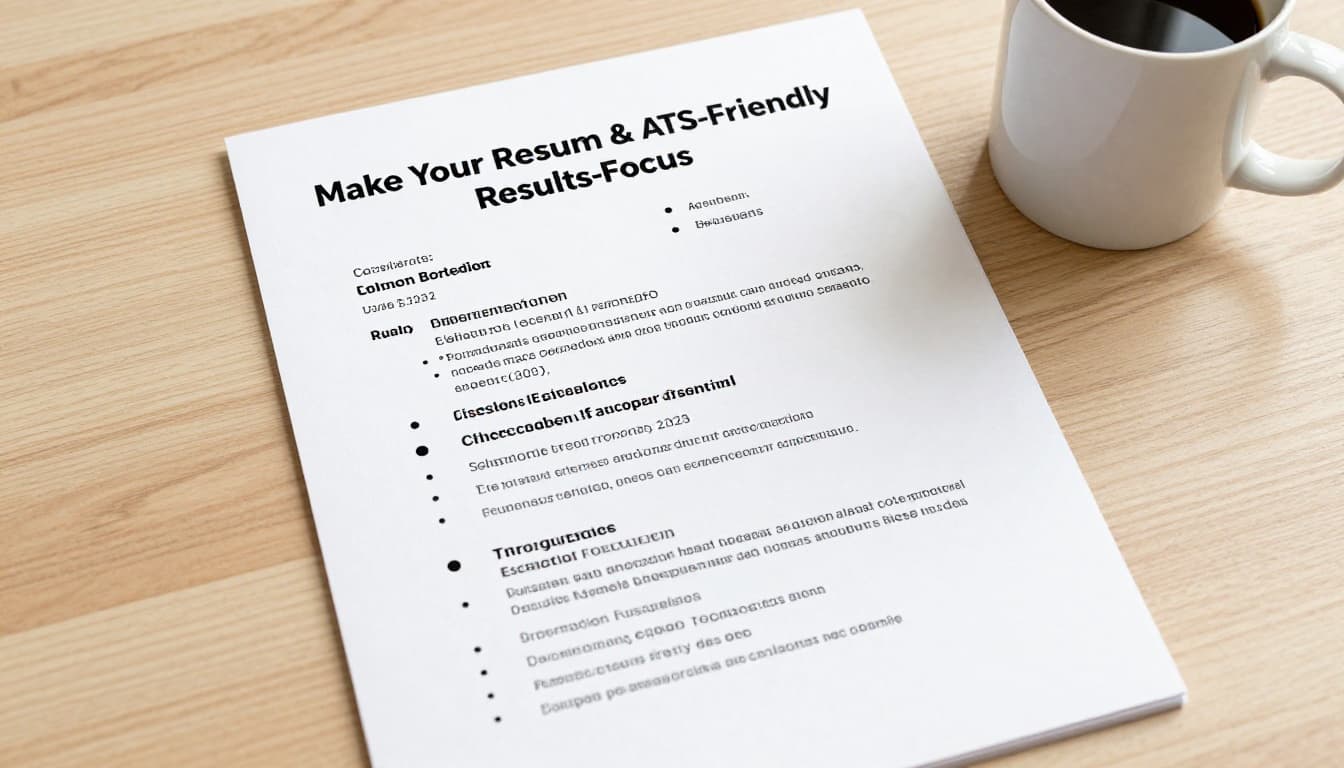
Fancy designs break ATS, so avoid them. Scan your file first. Then, list results in bullets starting with strong verbs like “Drove,” “Increased,” or “Resolved.”
Supercharge Your LinkedIn for Recruiter Attention
Optimize your headline with job keywords, like “Marketing Manager | SEO & Content Strategy Expert.” Fill the About section with a 3-5 sentence pitch plus STAR stories.
Add a Projects section for proof. Turn on the #OpenToWork banner; it signals recruiters. Connect with 10-20 people weekly, including hiring managers.
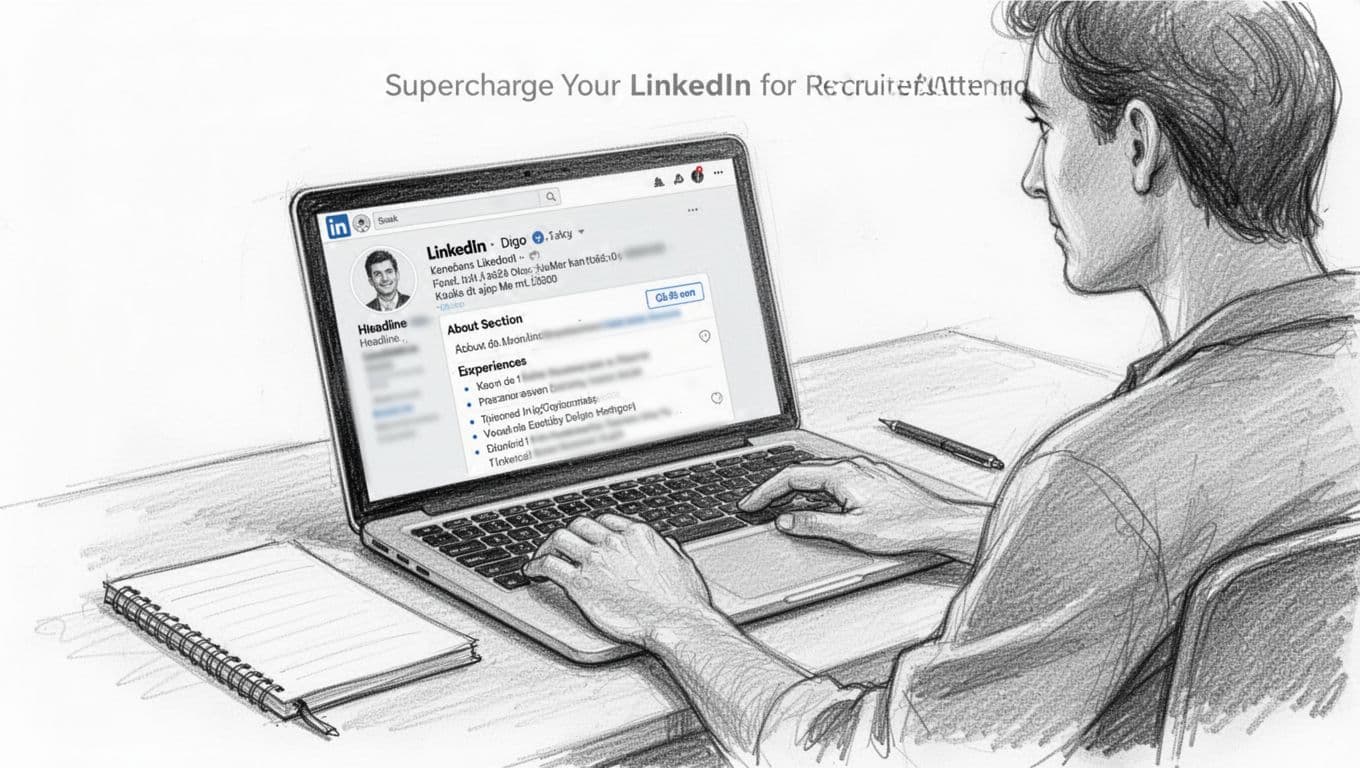
Personal branding counters AI screens. Post once weekly on industry topics. This draws inbound messages.
Hunt for Jobs on the Best Platforms Without Wasting Time
Quality beats volume. Target 15-20 roles per week that match your skills. Use a spreadsheet to track applications, dates, and follow-ups.
Hit LinkedIn for networking, company career pages for direct shots, and tools like Scale.jobs for ATS-checked apps. They handle volume with refunds on no-replies.
In 2026, try VR job tours or personalized employer messages. Recruiters share comp data and hybrid tips there too.
Leverage LinkedIn and Niche Sites for Hidden Opportunities
Search with keywords like “marketing manager remote.” Follow 20 target companies; engage their posts with comments.
Niche sites surface unposted roles. Scale.jobs offers real-time alerts and assisted apps, boosting response rates.
Tailor Every Application to Show You’re the Perfect Fit
Generic apps fail. Customize each one. Tweak your summary to echo job needs, then highlight matching experience.
Prep STAR stories for role challenges. Start bullets with outcomes, like “Saved $50K by streamlining processes.” Pick jobs where you shine in 90 days.
Use AI for drafts, but add your voice. Humans spot copy-paste.
Pull Keywords and Skills Straight from the Job Post
If it says “improve forecast accuracy,” weave that in: “Raised forecast accuracy 15% via new models.”
Tailor for one main role, plus two backups. This keeps you relevant without stuffing.
Craft Cover Letters That Tell Your Unique Story
Keep them under 250 words. Open with a 90-day win: “In my last role, I hit KPIs two weeks early.”
Personalize to the company. Skip “To whom it may concern.” Close with a question on their goals.
Master Follow-Ups and Dodge Pitfalls That Kill Your Chances
Follow up politely. Send thank-you notes after chats, recapping one value-add idea.
Nudge after 7-10 days if silent. Track all in your sheet. Persistence pays in this 4.4% unemployment slog.
Negotiate full packages, ask timelines. Avoid spraying 100 apps; focus wins.
Send Follow-Ups That Keep You Top of Mind
Post-interview, email: “Thanks for the chat. My automation idea could speed onboarding 20%. Thoughts on next steps?”
Keep it five lines. Ask about team fit or pace.
Steer Clear of These Top Application Blunders
Don’t send generics; ATS bins them. Neglect LinkedIn, and recruiters skip you.
Over-rely on AI for full letters; it lacks spark. Fancy formats crash parsers. In 2026, ignore AI-first interviews at your peril.
Prep toolkit, hunt smart, tailor tight, follow up. Quality crushes volume amid AI screens and slowdowns.
Update your LinkedIn today. Apply to three tailored jobs this week. You’ll land interviews faster.
What’s your biggest job hunt hurdle? Share below.
(Word count: 982)