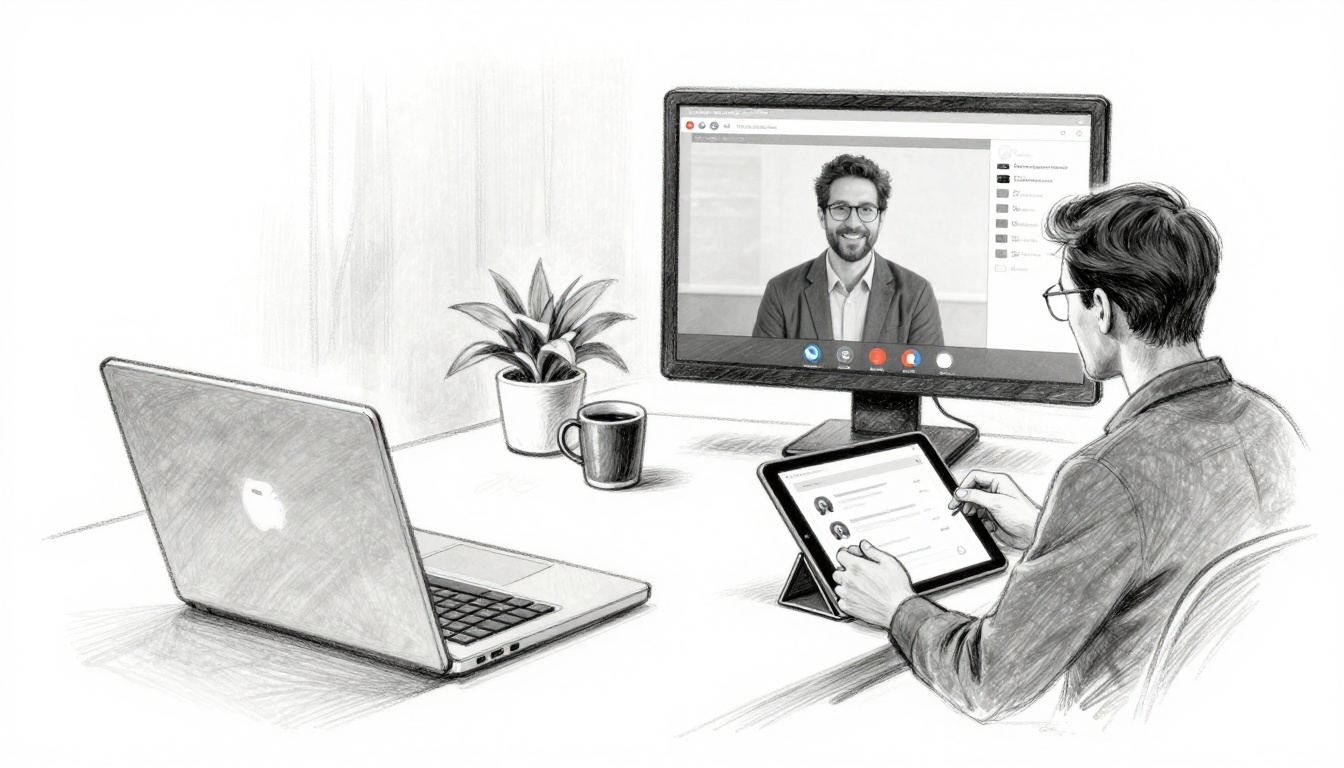
Picture this. You send a quick Slack message about a deadline. Your teammate misreads the tone. They push back hard. Hours later, the whole team scrambles to fix the mess. Trust dips, and productivity stalls. These mix-ups happen daily.
In 2026, hybrid work makes it worse. About 53% of US workers who can do remote jobs split time between home and office. Poor communication hits 49% of teams’ productivity. It also raises burnout for 60% from too many digital tools. Yet strong talk boosts output by 5% in hybrid setups. Structured chats help 64% feel more connected.
You need professional communication at work now more than ever. It builds trust and cuts stress. This post covers basics like listening and clarity. Then we hit emails, meetings, and feedback. Next come conflict fixes and AI aids. Finally, hybrid tips for success. Let’s get started.
Start with the Basics to Make Every Interaction Count
Core habits set you apart in busy 2026 workplaces. Active listening, clear words, and respect build trust fast. Teams with good dialogue see fewer fights. Leaders fix collab issues at a cost of $16,491 per manager yearly. Start here to save time and morale.
Focus on these foundations first. They work across emails, calls, or chats. Because habits stick, your team runs smoother.
Listen Actively to Understand Before Responding
Active listening means you hear before you reply. Nod during video calls. Paraphrase what others say. For example, “So you mean we shift the deadline to Friday?” This confirms details.
In hybrid setups, it shines. Remote folks miss body language. Repeat key points in meetings. Ask open questions like “What challenges do you see?” You build rapport quick. Everyone feels valued.
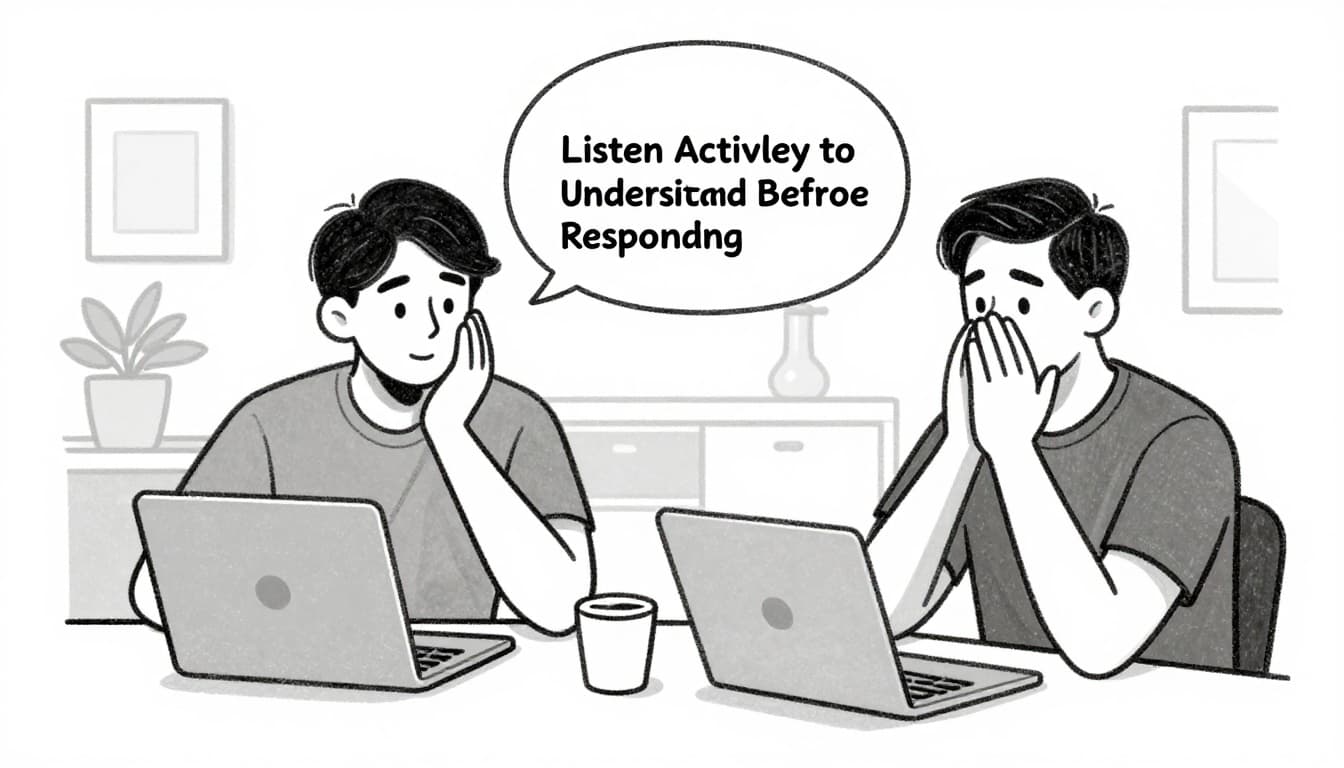
Avoid interruptions. They kill flow. Instead, pause and reflect. As a result, misunderstandings drop.
Keep Messages Clear and to the Point
State your goal upfront. Use simple words. Short sentences grab attention. Skip jargon unless everyone knows it.
Take emails. “Need your input on Q2 budget by noon” beats long rambles. Readers reply faster. In chats, bullets help. Because clarity cuts confusion, projects speed up.
For deeper tips on styles like these, check Asana’s 12 effective communication strategies.
Choose Words That Show Respect and Positivity
Pick “we” over “you.” Say “Let’s fix this together” instead of “You messed up.” Thank people often. Frame feedback as “This worked well, and here’s one tweak.”
Positive tone lifts morale. It softens tough news. Teams with respect talk 63% happier. You foster trust daily.
Master Emails, Meetings, and Feedback for Smooth Teamwork
Channels matter. Tailor your approach. In 2026, AI tools summarize threads and transcribe calls. They create action lists. Poor habits like vague praise or endless emails waste time.
Emails need punch. Meetings demand agendas. Feedback must guide growth. Get these right, and your team collaborates better.
Craft Emails That Get Quick Replies
Start with a sharp subject. “Q2 Budget Review – Action Needed.” Limit to one goal. Use bullets for steps.
Example:
- Review attached numbers.
- Suggest cuts by EOD.
- Reply yes/no.
AI summarizes long threads. It spots key asks. Avoid walls of text. They get ignored.

Readers scan fast. Clear structure wins replies.
Run Meetings That Spark Ideas, Not Waste Time
Prep agendas ahead. Share them early. In hybrid, use “single source of truth” docs. Office days suit creative brainstorms. Home fits deep focus.
End with actions: Who, what, when. AI transcribes for lists. 53% feel tied to goals with check-ins. Because focus matters, cut fluff.

Tip: Poll for ideas first. It sparks input.
Give Feedback That Helps People Grow
Be specific. “Your report nailed the data trends. Add visuals next time for impact.” Explain why changes help.
No blame. Focus on growth. Train for these talks. Teams improve fast.
Handle Conflicts and Leverage AI Without Common Pitfalls
Disagreements pop up. Neutral words calm them. Use peers as messengers sometimes. AI transcribes and summarizes. It boosts productivity for 54%, but don’t let it replace you.
Managers burn out from ignored signals. Set bias rules. Upskill with AI tutors. Resolve issues early.
Resolve Disagreements Before They Grow
Acknowledge feelings first. “I see this frustrates you.” Find common ground. Agree on next steps.
Steps work well:
- Stay calm.
- Listen fully.
- Propose solutions.
For more strategies, see Asana’s conflict resolution guide. Trusted voices help too.
40% say poor talk lowers trust. Fix it quick.
Use AI Tools to Boost Your Communication Game
Voice AI handles summaries. Agents run routines. Coach humans alongside. Focus on skills, not tasks.
Slack offers 18 practical AI tools your team can use now. Project apps cut burnout by 57%. Pair them with practice.
Adapt Your Style for Hybrid and Remote Success
Match words to actions. Set clear office/home roles. Personalized schedules build balance. Middle managers drive 70% morale gains through check-ins.
Be honest about uncertainties. Collective sense-making works. 64% in hybrid feel more open.

For trends, read Zoom’s 12 hybrid work insights. Build community, not broadcasts.
Strong basics like listening and clarity form your base. Master channels for smooth flow. Handle conflicts with AI support. Adapt to hybrid realities.
Pick one tip today, like punchy email subjects. Try it this week. Your team saves time and builds trust. AI frees you for real connections. Imagine fewer mix-ups and higher morale. What’s your first step? Share below.
(Word count: 1487)