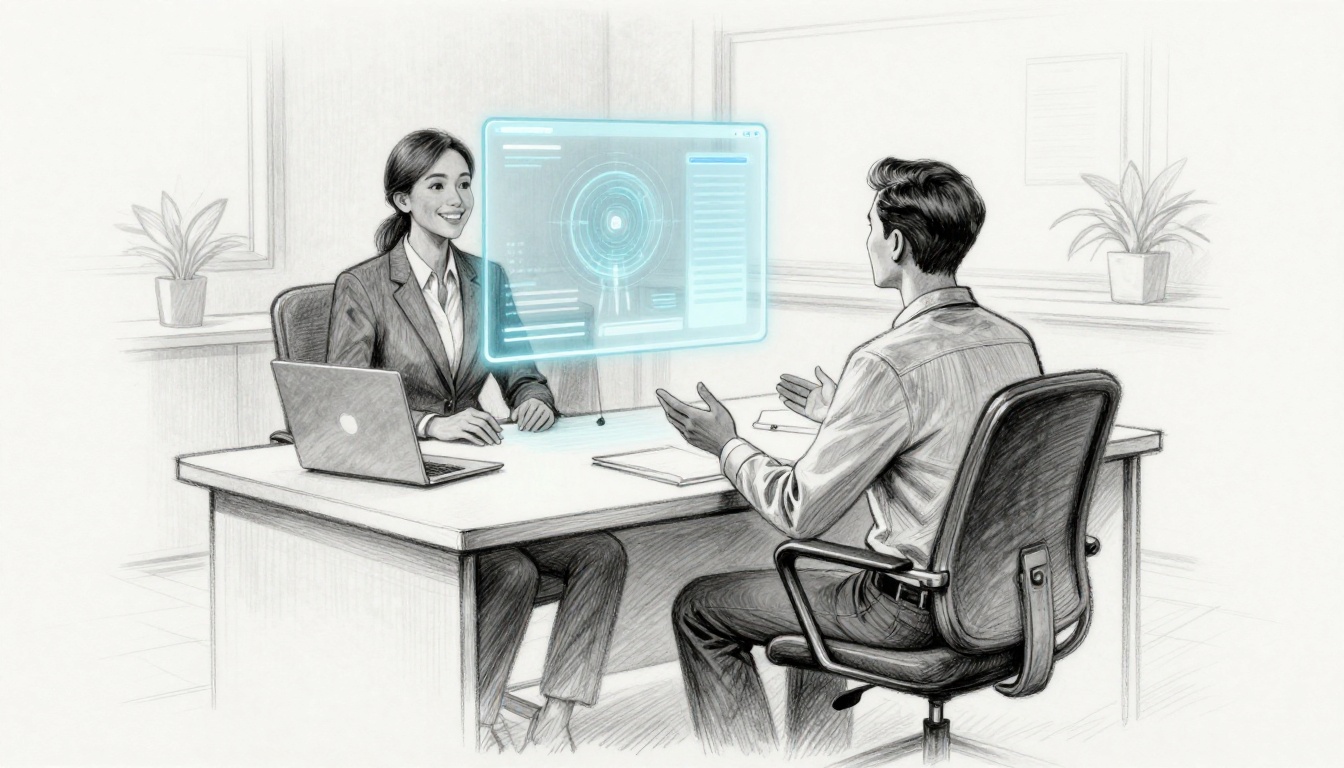
Picture this. You sit down for your dream job interview. The interviewer smiles and says, “Tell me about yourself.” Your heart races. In seconds, you either shine or fade. A strong intro can boost your chances by grabbing attention right away.
In 2026, interviews mix AI screens and virtual chats. Employers use AI to filter resumes fast because applications pile up. You need confidence to stand out. Nerves often trip people up here. But a solid start builds rapport and shows fit.
This guide shares the Present-Past-Future formula. You will learn to craft a 1-2 minute pitch, master body language, and dodge mistakes. Follow these steps. You will feel ready and land offers faster.
Why a Rock-Solid Interview Intro Wins Jobs from the Start
First impressions stick. They shape how interviewers see you for the whole talk. A confident intro sets a positive tone. It proves you match the role. Plus, it calms your nerves for later questions.
Ever frozen when asked to share about yourself? Many do. In today’s market, AI handles early screens. Humans then check real skills and personality. A weak start means quick rejection. But a strong one builds trust fast.
Research shows people judge you in under a second on looks and cues. In interviews, those first 30 seconds matter most. You grab focus. You ease into deeper chats. Job success rises when you connect early.

The Power of First Impressions in Today’s Job Market
Science backs it. Your brain forms views in milliseconds. Body language drives 55% of that impact. Interviewers decide fit in minutes. In 2026, virtual setups add challenges. AI spots skills, but humans seek energy.
Bad intro example: “Um, I went to college, then worked here and there.” It lacks punch. Good one: “I lead sales teams now and grew revenue 25% last year.” It hooks them.
Trends favor authenticity. Hybrid interviews blend AI and people. Show real stories. Build quick rapport. You stand out from generic replies. For details on first impressions data, check first impressions statistics report.
Benefits pile up. You ease tension. Interviewers lean in. Your odds improve because they remember you.
Matching Your Story to the Job Description
Tailor your words. Read the job post closely. Pick two or three key needs. Link them to you. This proves fit.
Steps work simple. Note skills they want, like “team lead” or “data analysis.” Weave them in. Why? It shows research. You sound prepared.
Example phrase: “Your post needs strong project managers. I handle that daily at my firm.” Avoid vague talk like “I’m a hard worker.” It bores them.
Companies notice. You move ahead because you solve their problems. In short, match beats mismatch every time.
Craft Your Intro with the Proven Present-Past-Future Formula
Use this structure. It lasts 1-2 minutes. Start with present role. Add past wins. End with future excitement. Keep it tight.
Full template: “Right now, I [current role and top skill]. In my last job, I [key win with number]. I’m excited for this role because [company need and your fit].”
Add metrics. “Boosted sales 20%.” Use STAR for stories: Situation, Task, Action, Result. Practice aloud. Sound natural, not scripted. In 2026, AI and humans spot fakes. Stay real.
Examples fit jobs. Sales: Present team quotas. Past closed big deals. Future grow their leads. Tech: Current code projects. Past fixed bugs fast. Future build their apps. See a full Present-Past-Future guide with 2026 examples.
This formula works because it flows logical. Interviewers follow easy.

Nail the Present: Highlight What You Do Now
Open strong. State your current job. Name one or two skills that match.
Keep it punchy. “Right now, I manage marketing at ABC firm. I create campaigns that drive 30% more traffic.”
Link to their needs. No fluff. This grabs attention first. You sound current and able.
Share Your Past Wins Without Rambling
Pick one or two stories. Focus on results. Use STAR quick.
Example: “In my prior role, our team faced low sales. I led training. Sales rose 25% in six months.” Skip full history. Education fits if recent.
Numbers prove impact. You show value, not just talk.
End with Future: Show Why This Job Excites You
Close with interest. Name what draws you. Tie to research.
Say: “Your focus on green tech matches my passion. I want to help grow your projects.” Ask yourself: How do I aid them? It builds connection.
Genuine words shine. They see you as team player.
Boost Confidence with Body Language, Voice, and Virtual Prep
Words matter. But non-verbals seal it. Sit tall. Make eye contact. Smile. These cues boost trust.
Voice stays key. Speak clear. Steady pace. Cut “um” fillers. Breathe deep if nervous. Mirror their energy.
Virtual shifts dominate 2026. Tech glitches kill chances. Prep beats panic. Record yourself. See fixes.
Practice helps most. You look and feel sure. Trends stress natural moves in AI-human mixes. For body language tips, read body language in interviews guide.

Master In-Person and Virtual Body Language Cues
Posture stays open. Lean in slight. Nod to show listen. Match their speed.
Virtual: Look at camera. Not screen. No fidget. Smile warms face. Fixes slouch with chair back.
Energy matches theirs. You connect better.
Tech Setup and Virtual Interview Hacks for 2026
Test day before. Check mic, cam, net. Quiet spot. Good light on face.
Dress full pro. Log early. Backup link ready. AI screens like structure. Stay human.
These steps make you pro.
Dodge Pitfalls and Practice to Perfection
Mistakes sink ships. Ramble long. Sound negative. Skip research. Stay vague.
Fixes simple. Time to 90 seconds. Stay positive. Prep company facts. Use specifics.
Practice daily. Record videos. Mock with friends. Time it. Get notes.
Follow up. Email thanks in 24 hours. Restate fit. Builds edge. Common errors detailed in self-introduction mistakes to avoid.
Real stories and emotional intelligence trend now. You gain lasting poise.

Common Intro Mistakes That Kill Your Chances
Fillers like “um” distract. Badmouth old jobs. Shows poor fit. No enthusiasm bores.
Ignore job post. Weak links fail. Quick fix: Pause, breathe, refocus.
Daily Practice Routines That Build Real Confidence
Rehearse five stories. Time under two minutes. Record weekly. Note improves.
Mock interviews help. Arrive early always. Track wins. Confidence grows steady.
Use Present-Past-Future. Master cues. Skip traps. Practice now.
You control that first moment. Nail your intro in the next interview. Land the job you want. What is your go-to line? Test it today.