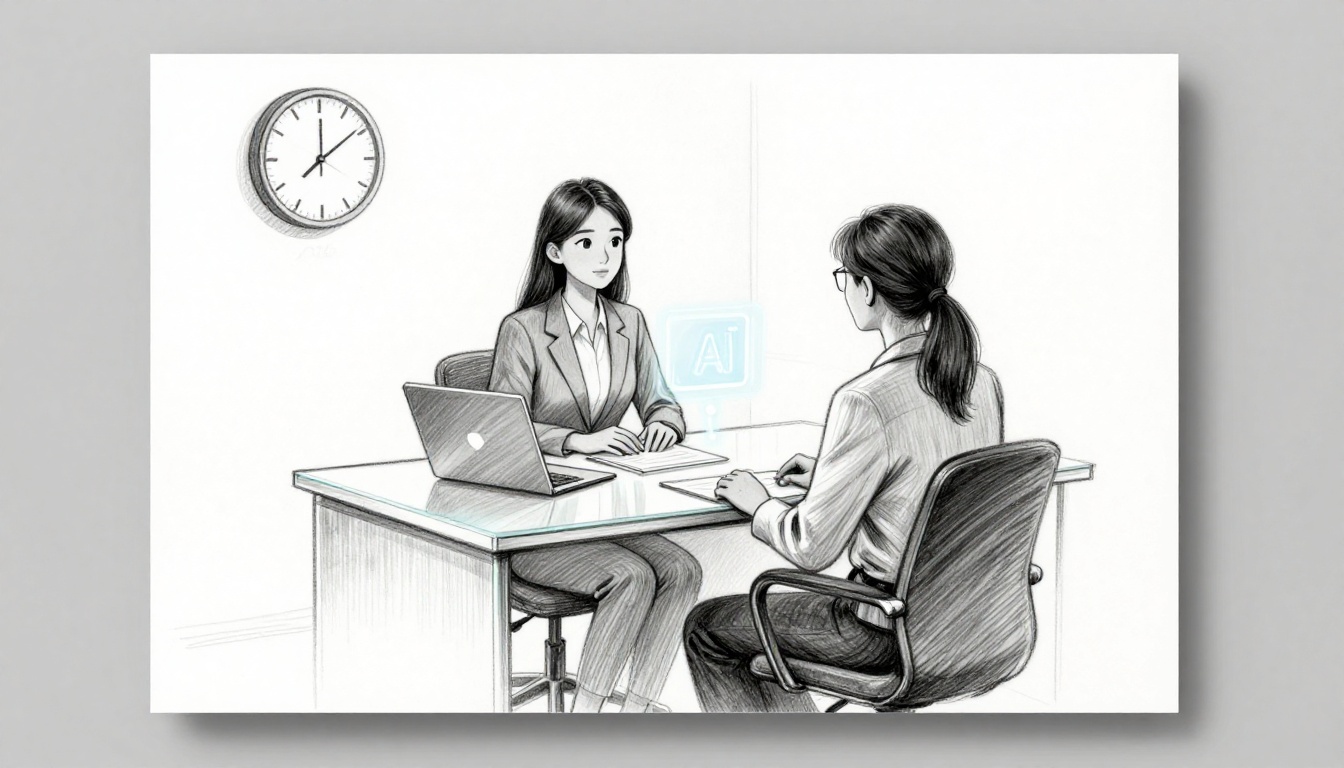
Job interviews feel high-stakes in 2026. Only 2-3% of applications snag an interview spot because AI filters crush most resumes first. Once there, weak answers doom many candidates; poor communication or mismatched stories lead to ghosting for 75% of job seekers.
You face more behavioral probes and hybrid work tests now. Employers check real skills over degrees. This guide breaks down top questions into categories like openers, strengths, fit, behaviors, and style.
You’ll get simple strategies, sample answers, and tips tied to today’s trends. Practice these, and you’ll boost your edge right away.
Ace the Get-to-Know-You Questions Right at the Start
Openers set the tone. Employers use them to gauge confidence and fit. Nail these, and you build trust fast.
Start with “Tell me about yourself.” They want a quick job-relevant pitch, not your life story. Aim for 60 seconds. Cover your recent work, key wins, and why this role excites you. Tie it to their needs.
Keep it positive and focused. Skip family or hobbies unless asked. Practice aloud to stay crisp.
Research shows candidates who match skills to the job win more offers. For example, if sales calls for growth, highlight your numbers.
How to Answer ‘Tell Me About Yourself’ Without Rambling
Structure it simple: past, present, future. Say your role history first. Then key skills with proof. End with job enthusiasm.
Here’s a sample for a marketing spot: “I’ve spent five years in digital marketing at TechStart. I boosted email campaigns 25% using HubSpot and A/B tests. Recently, I led a content push that grew leads 18%. I’m excited for this role because your focus on AI-driven ads matches my experience with tools like Jasper.”
Time yourself. Go over one minute, and you lose them. Record a run-through. Adjust for flow.
This keeps you memorable. Employers hear rambling daily; yours stands out.
What to Say About the Company to Show You’ve Done Your Homework
They ask, “What do you know about us, and why work here?” to spot real interest. Dig into their site, recent news, and values.
Check earnings calls or press for 2026 updates, like new green initiatives. Link your background to those goals.
Sample for an eco-tech firm: “I saw your EcoDrive launch last month, aiming for carbon-neutral fleets. In my last role, I managed similar sustainability projects that cut emissions 15% with data tools. I want to bring that to your team for faster impact.”
For deeper tips on company research, see TieTalent’s 2026 guide. Follow up with a question on their plans. It shows you care.
Highlight Your Strengths and Handle Weaknesses Smartly
Self-awareness counts big in 2026. Teams need players who fit hybrid setups. Pick traits from the job description.
For strengths, name two or three with results. Back them up. Avoid vague claims like “hard worker.”
Weaknesses? Choose one you’re fixing. Show growth. Motivation ties to their success.
Stay humble. Bragging turns off interviewers.
Picking and Proving Your Top Strengths
Scan the posting for must-haves, like collaboration or analytics. Match yours.
Sample strength: “Teamwork. At my last job, I coordinated a cross-department project. We finished two weeks early, saving 10% on costs.”
Prove it every time. Numbers sell. Say, “My data skills analyzed 50k customer records. That spotted trends and lifted sales 12%.”
Link to their challenges. If they mention growth, stress your revenue wins.
Turning Weaknesses into Wins Employers Respect
Pick something real but not core to the job. Frame it as past issue, now solved.
Sample: “I used to overcommit on tasks. It spread me thin. Now I use Trello to prioritize. Last quarter, I hit all deadlines and took on extra without burnout.”
They respect honesty plus action. Never say “perfectionist.” It sounds fake.
Prove You’re the Perfect Fit for the Long Haul
Hiring takes time and cash. They want stayers. Questions like “Why leave your job?” or “Where in five years?” test commitment.
Focus on growth here. Badmouth no one. Align your path with theirs.
Sum your value at the end: skills plus results equal fit.
Explaining Your Job Change Without Badmouthing Anyone
Spin it positive. Seek bigger challenges.
Sample: “My current role taught me solid project basics. Now I want leadership chances like your team offers, with hybrid tools to scale impact.”
Blame stays out. Employers hear negativity as a red flag.
Painting Your 5-Year Vision to Match Their Future
Research their trajectory. Echo it back.
Sample for a scaling startup: “In five years, I see myself as a team lead here. I’ll grow with your expansion into AI services, using my remote coordination skills from past roles.”
Hybrid leadership trends big now. Mention adaptability.
Shine in Behavioral Questions with Real Stories
Behavioral questions predict your future work. “Tell me about a time…” dominates 2026 interviews.
Use STAR: Situation, Task, Action, Result. Prep five stories ahead.
Pick recent examples. Quantify wins.
For more STAR samples, check 20 Common STAR Interview Questions.
Bouncing Back from a Failure or Mistake
They ask to see resilience. Own it, then fix.
STAR sample: “Situation: Client deadline loomed. Task: Deliver report. Action: I spotted data gaps late, so I rallied the team for overtime fixes and added check-ins. Result: We met it, and new process cut future errors 20%.”
End with the lesson. Growth shines.
Resolving Conflicts with Coworkers or Tough Customers
Listen first. Show empathy.
STAR sample: “Situation: Coworker missed inputs, delaying launch. Task: Keep project on track. Action: I scheduled a calm talk, heard his workload side, and split tasks. Result: Launch succeeded; we built better handoffs.”
Teamwork wins in hybrid eras.
Adapting to Big Changes Like Remote Work Shifts
2026 stresses this with AI and remote mixes.
STAR sample: “Situation: Company went full remote mid-project. Task: Maintain output. Action: Set daily Zoom huddles and Slack channels for updates. Result: Team productivity rose 10%, per metrics.”
Tools like Asana prove you.
Master Work Style Questions for Modern Jobs
How do you prioritize? Organize? Handle remote days? They probe daily habits.
Name methods and tools. Eisenhower Matrix sorts urgent from important. Apps like Slack keep hybrid teams synced.
Sample: “I block time for deep work first. In my last hybrid role, Asana tracked tasks. It kept us aligned across time zones, hitting 95% on-time goals.”
Mention AI checks lightly; show you use them ethically.
2026 Interview Trends and Your Questions to Ask Back
Interviews lean behavioral and values now. AI screens early, so skills demos follow. Hybrid roles test self-starters.
Prep by recording answers. Tailor to postings.
Ask smart ones: “What metrics define success here?” “What team challenges exist?” “How does growth look?”
For trends, read Robert Half’s February 2026 update. It flips the talk to you.
Prep turns nerves to confidence.
Prep STAR tales and company facts. Practice these answers aloud. You’ll stand out in a market where AI and ghosting rule.
You’ve got the tools now. Share your best interview win in comments. Or try one sample today. Bookmark this for your next shot. Your offer awaits.