
Picture this: You’re in a big team meeting in 2026, and your boss asks for your input on the new AI tool. Your mind blanks. Heart races. You freeze because deep down, you worry AI will take your job. It happens to so many.
Only 22% of workers feel safe from AI replacing their role right now. That’s the top fear, especially for those in routine tasks or entry levels. Plus, 72% feel pressured to use AI without proper training, which amps up stress and kills confidence.
But here’s the upside. When you build real confidence at work, good things follow. You snag promotions easier. Work feels fun again. Stress drops because you handle changes like a pro. Confident folks are six times more engaged, three times more productive, and twice as likely to stick around.
So how do you get there? We’ll cover four key steps: shift your mindset to see AI as a helper, build skills through smart training, strengthen team connections for support, and boost emotional intelligence alongside wellbeing. Ready to feel unstoppable? Let’s dive into step one.
Shift Your Mindset to Crush Self-Doubt Daily
Your mindset sets the base for all confidence at work. It shapes how you face AI changes and hybrid setups in 2026. Trends show that sharing vulnerabilities builds trust in teams. People open up more, and leaders who admit doubts create safer spaces. So start here. Spot your doubts, flip them, and stack small wins. You will feel steady amid job shifts.
Spot Your Confidence Blockers and Flip Them
Doubts pop up from past flops or fuzzy futures. AI anxiety hits hard because tools seem to steal roles. Imposter syndrome whispers you do not belong, even with proof. Past failures linger too, like a botched project in hybrid mode. No blame needed. Just notice them.
Ask yourself these quick checks. Do you skip meetings because “others know more”? Does AI news spark “I’m out of my depth”? Or after a win, think “pure luck”? These signal blockers.
Flip them with reframes. Change “I’m not tech-savvy” to “I can learn one AI tool today.” Turn “I failed last time” to “That taught me for now.” In hybrid work, picture Sarah. She dreaded Zoom pitches. She reframed to “I’ll share one idea clearly.” Her team praised it.
Try this exercise now. Grab paper. List three strengths from past wins. Maybe you nailed a report early or helped a remote teammate. Recall the feeling.

This builds proof against doubts. For more on impostor syndrome types and fixes at work, check proven steps. In 2026, jobs reward those who reframe fast. You adapt, others freeze. Self-talk matters too. Swap “I can’t” for “I’ll try this.” Say it in the mirror each morning. Curiosity helps. Ask openly in chats, “How does this AI fit our flow?” It models growth and cuts isolation.
Build Momentum with Tiny Wins and Gratitude
Small actions spark big confidence. Track wins daily to prove your worth. Use a simple scorecard. Note one achievement, even tiny. Finished an email fast? Checked. Spoke up in Slack? Checked.
Gratitude seals it. End days thankful for efforts, not just wins. Praise yourself for prepping that call, even if it felt rough. Studies link this to less burnout. For example, healthcare workers who journaled thanks saw stress drop.
In hybrid setups, try it. You log in early, crush a task ahead of time. Jot it down. Later, note “Grateful I pushed through distractions.” Momentum grows. You expect wins now.

Set up your scorecard like this:
- Morning goal: One focus task.
- Evening log: What went right? What effort counts?
- Gratitude line: Thanks for showing up.
One study found daily notes boosted engagement in teams. Burnout fell because focus shifted to progress. Meanwhile, AI users who tracked wins felt safer in roles. Do this for a week. Notice the shift. You crush doubt because proof stacks up. Confidence sticks.
Level Up Skills That Make You Feel Ready for Anything
Skills build real confidence because they prepare you for 2026’s fast changes. Constant learning tops workplace trends now. It fights job worries from AI head-on. PwC notes daily AI users feel more secure and productive. Yet half of workers skip it. Bosses value growth over raw smarts. They push skills for promotions. You gain purpose too. Start small with 10-minute trials. Watch quick videos. Ask coworkers for tips. Track weekly goals. Examples include AI for reports or pitch practice. These steps make you ready. Fears fade. You lead changes.
Tackle AI and Tech Fears Head-On
AI scares many. 51% of US workers worry it will take their jobs. Young folks fear it most at 52%. But daily tries cut that fear fast. You feel prepared, not overwhelmed. Leaders push hard too. 65% of CEOs rank AI as top priority. 88% of companies use it regularly. They plan more spending. So join them.
Start simple. Spend 10 minutes daily on free tools. Summarize emails. Outline reports. Draft quick notes. These build comfort quick.
Here are easy free options to try:
- 9 top AI summarizers for 2026 handle emails and reports in seconds.
- Free AI apps for daily tasks boost productivity without cost.
- Quick tools for beginners fit right into your workflow.
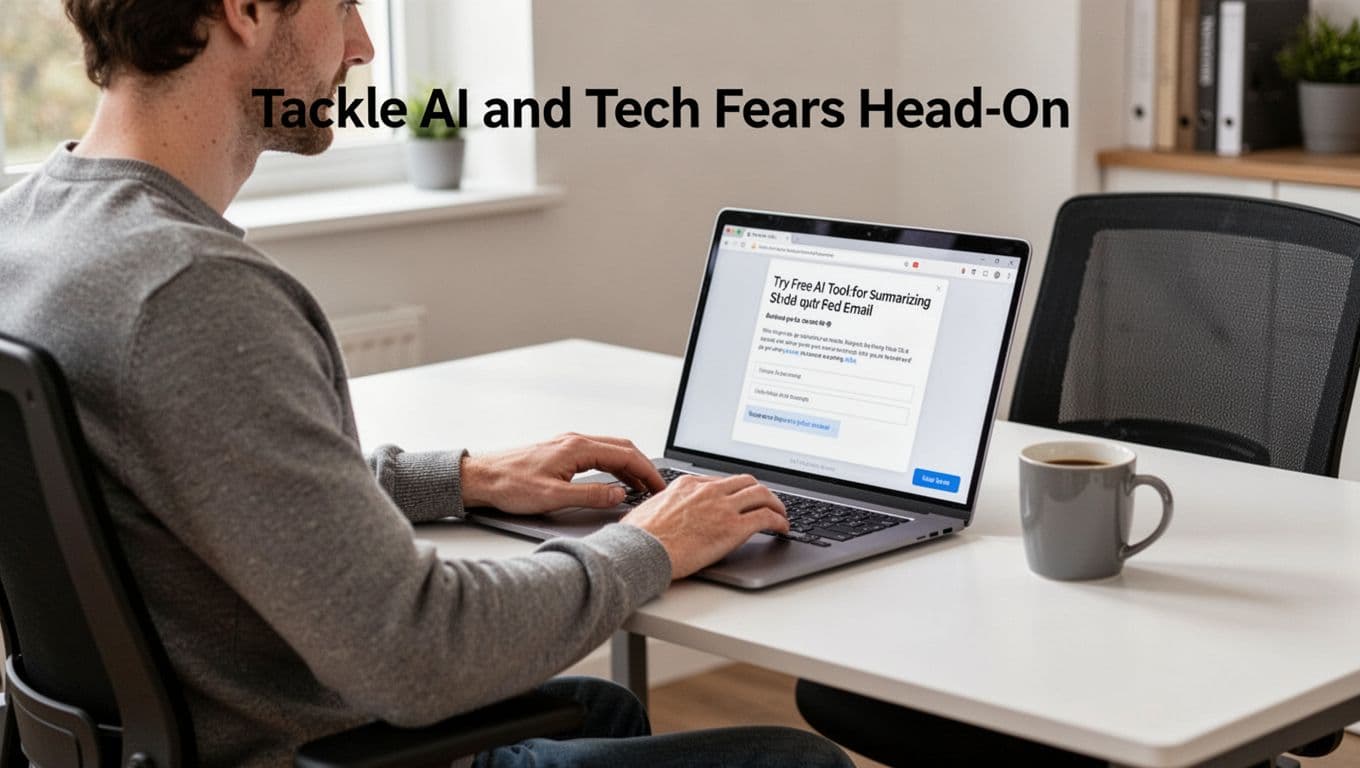
Paste an email thread. Hit summarize. Review the output. Tweak it. Use the result. Repeat for meetings or articles. Fear drops because you see value. You control the tool.
Set weekly goals like this:
- Pick one tool Monday. Test on three emails.
- Tuesday through Thursday: Apply to reports or notes. Note time saved.
- Friday: Share a win with a coworker. Ask their tip.
- Weekend review: Log what worked. Plan next week.
After one week, you handle AI basics. Confidence grows. In 2026, this skill keeps you ahead. Bosses notice. Teams respect it. You feel steady.
Sharpen Talking and Team Skills Fast
Tech skills matter. But talking and team work seal confidence. 73% of workers stay longer where growth pays off. Workshops build these quick. Focus on clear talks. Fix conflicts. Boost teamwork. Apply tips right away. Use one per meeting. Ties strengthen. Your voice counts more.
Find free or low-cost online sessions. They fit busy schedules.
Recommended spots include:
- Responding to Conflict workshop for professional settings.
- Communication and Conflict virtual class on feedback strategies.
- Conflict Styles session to handle disputes.

Pick one. Attend. Note key ideas. Practice next meeting. For example, pause in talks. Say “I hear you mean…” Conflict eases. Teams bond.
Bosses prize this over IQ. It drives output. Engaged workers hit 21% higher gains. Your growth shows purpose. Apply weekly:
- Monday: Join a workshop. Pick one tip, like active listening.
- Meetings all week: Use it once. Note reactions.
- Friday: Reflect. Share with a teammate.
- Next week: Add a second skill, like clear pitches.
Soon, you speak up easy. Others listen. Support flows. Confidence sticks because skills prove your spot. In hybrid teams, this wins big.
Forge Team Bonds and Feedback Loops for Real Support
Teams give you a safety net in 2026’s hybrid world. Strong bonds cut isolation and build confidence together. You share fears about AI shifts, get real support, and see your ideas matter. Trends show 96% of workers improve with regular feedback, yet many miss it. Open talks boost engagement 2.5 times. Praise alone makes folks 3.6 times more engaged. So speak up. Create loops where input leads to change. Your confidence grows because others lift you too.
Speak Your Mind and Watch Trust Grow
Prep one point before meetings. Jot a quick note on changes, like “This AI tool could speed reports.” Share it early. You build trust fast. 65% of workers crave more feedback because it shows bosses listen.
In hybrid setups, isolation hits hard. Schedule weekly check-ins. Start with “What worked this week?” One team tried it. Remote worker Alex shared AI worries. The group brainstormed fixes. He felt heard. Trust spiked.
Build safe spaces too. Use anonymous surveys for tough ideas. Praise challenges, like “Thanks for flagging that risk.” It lifts moods. Teams reflect weekly on wins. Ask “What clicked? What to tweak?”

Try these tips next meeting:
- Pick one idea: Prep it simply. Say it first.
- Note changes: When bosses act, thank them. It shows impact.
- Hybrid hack: Rotate shout-outs in video calls. Fight alone feelings.
Sarah did this. She spoke on project tweaks. Leaders used her input. Her confidence soared because results proved her voice counts. Others opened up too. Mutual support kicked in. For more on building confidence in meetings, see practical steps. You gain steady backing. Doubts fade as bonds tighten.
Give and Get Feedback That Fuels Growth
Ask kindly for input. Say “What can I improve on that pitch?” Act on it fast. Share updates, like “I shortened it based on your tip.” It builds loops. Reciprocity sparks because others see you value them.
Praise specifics. Skip “Good job.” Say “Great idea on that AI summary, it saved hours.” It fuels growth. Only 1 in 5 get weekly feedback, so you stand out. Acted-on input keeps 94% loyal longer.
In teams, start habits. End calls with “One win? One tweak?” One group used it. Mark praised Lisa’s report fix. She returned tips on his slides. Both grew. Confidence rose mutually.

Guide your exchanges like this:
- Ask specific: “How was my remote demo?”
- Act visible: Update in next chat.
- Praise real: Name the win clearly.
Tom tried it. He asked for deck feedback. Team suggested visuals. He added them, shared credit. Praise flowed back. His talks sharpened. He felt backed. Check management tips on team trust for extras. Loops make you all stronger. Confidence sticks because support proves real.
Supercharge EQ and Wellbeing to Stay Steady
Emotional intelligence and solid wellbeing habits keep your confidence rock-solid, even when AI shakes things up or hybrid work drains you. Bosses get it too. 71% value EQ over raw smarts for hires and promotions because it builds trust and handles stress. You stay steady by tuning into feelings and locking in routines that fight burnout. Teams recover faster from setbacks. Let’s break it down.
Tune Into Emotions Yours and Theirs
Name your feelings first. Say “I’m frustrated because this deadline shifted.” It clears your head. Then respond kindly to others. Pause reactions. Listen fully without jumping in.
Practice full listening daily. Nod. Hold eye contact. Repeat back what you hear, like “You sound overwhelmed by the new tool.” Check empathy with “How does that make you feel?” Admit mistakes openly. Say “I messed up that report. What can I fix?” Stay curious. Ask “What’s behind that worry?” Teams bond because vulnerability invites support.
Take mindful breaths before tough talks. Inhale for four counts. Hold. Exhale slow. It calms nerves. One study shows EQ speeds team recovery after conflicts.

For deeper insights, see TalentSmartEQ’s 2026 State of EQ Report on human skills in AI times. In tough spots, like project fails or AI fears, this support keeps confidence high. Others lift you. You lift them back.
Lock In Wellbeing Habits That Last
Set firm work end times. Shut your laptop at 6 PM sharp. No emails after. It guards energy. Move daily. Walk 20 minutes post-lunch. Fresh air clears doubts.
Build breaks into days. Step away every 90 minutes. Stretch. Hydrate. These fight shaky confidence during uncertainty. Share boundaries with leaders. Say “I log off at 6 to recharge.” Trust grows because you model balance.
Track personal steps against burnout. Journal one win nightly. Sleep seven hours. Eat real meals. Leaders who do this stay steady. Teams notice your calm.

Habits like these prevent dips. You handle 2026 changes without wobble. Confidence lasts because wellbeing fuels it. Start one today. Feel the difference.
Conclusion
You now hold the tools to build lasting confidence at work. Shift your mindset to flip doubts. Level up skills like AI basics and team talks. Forge bonds through open feedback. Boost EQ and wellbeing for steady energy.
Small actions stack up fast. Trends prove it. AI job fears dropped to just 9% this year because workers who use tools daily feel more connected to teams. They learn together and stay engaged. Your tiny wins, like a quick gratitude note or 10-minute tool trial, spark those same shifts.
Picture yourself in that 2026 meeting. No more freezing. You share ideas with ease. Promotions come. Work excites you again.
Pick one tip today. Track it for a week. Share your win in the comments below. What small step will launch your thriving career?