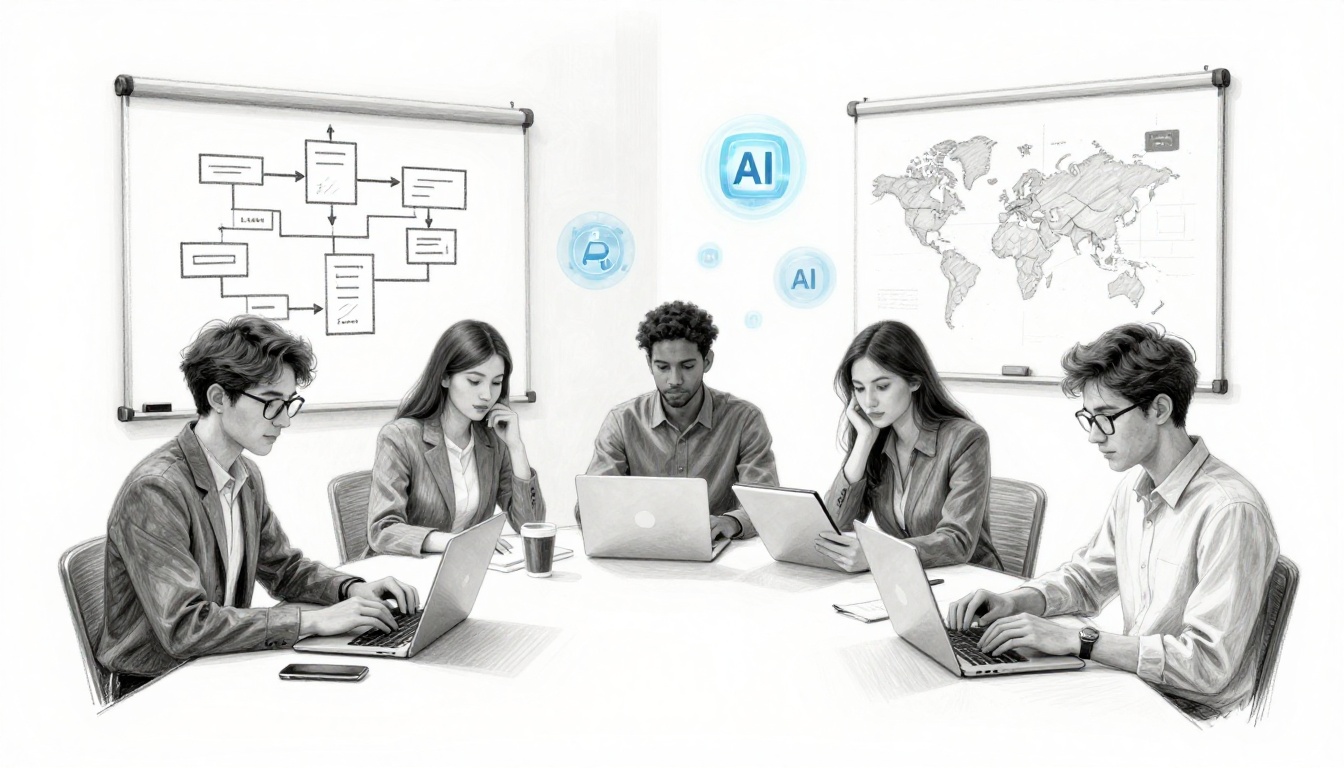
You’re stepping into the 2026 job market, where AI zaps away boring tasks and hybrid teams chat across time zones. It feels exciting yet scary, right? You want that first real job, but competition packs a punch.
Beginners who nail basic workplace skills like tech basics and clear chats land interviews faster. They also climb to promotions sooner because bosses spot potential right away. Recent trends back this up: reports from McKinsey and job sites like LinkedIn list communication as the top soft skill employers crave for entry-level spots.
These skills stand out amid AI shifts and remote setups. Here’s the six you need most: digital fluency to handle tools smoothly, critical thinking for smart fixes, communication to share ideas without mix-ups, adaptability to roll with changes, teamwork to gel with coworkers, and lifelong learning to keep growing.
Data shows why. Communication ranks number one on employer wish lists, while digital skills form a baseline now. Workers with adaptability and teamwork bounce back quicker and fit hybrid teams better. Entry-level hires who show these get picked over resumes alone, per 2025-2026 hiring stats.
You’ll feel more confident applying because these skills transfer everywhere, from offices to startups. Grab them, and you stand out. In this post, you’ll get simple steps to build each one, plus real examples to start today. Let’s jump into digital fluency first.
Get Comfortable with Everyday Tech Tools to Boost Your Productivity
You already use your phone daily. Now picture that ease with work tools like Excel or email apps. These basics make you quick on tasks and ready for 2026 jobs. Employers seek beginners who handle tech without a hitch. As a result, you spot trends faster and share data smoothly. Let’s break it down.
Why Tech Basics Open Doors in Any Entry-Level Job
Tech fluency lets you tackle daily work right away. You sort data in Excel for reports or send clear emails via Outlook. In customer service, you pull up client info fast. Analysts use simple sheets to track sales trends. Factories even hand out rugged tablets for machine checks and inventory scans.
These skills pay off big. Stats show 92% of US jobs need at least one digital skill. Workers with them earn 23% more on average. Yet one-third of people lack basics, creating a huge gap. Tech postings doubled since 2020, with growth in AI and data roles for 2026. Check Robert Half’s 2026 tech job trends for proof.
In offices, tablets replace notebooks for notes and shares. Factories use glove-friendly screens linked to sensors for alerts. AI apps summarize emails or suggest fixes. You share files via cloud drives, no matter the shift. A customer service rep, for example, spots a complaint pattern in data and flags it early.

Beginners who master these stand out. Bosses pick you for hybrid teams because you adapt fast. In short, tech basics make you indispensable across factories or desks.
Easy Steps to Build Your Tech Skills Right Now
Start small today. No fancy setup needed. These four steps fit your schedule and build real confidence.
First, commit to 15 minutes of daily practice. Open Excel and sort a grocery list. Switch to Outlook for mock emails. Apps like these feel natural after a week.
Next, try free online courses. Platforms offer beginner tracks. For instance, Coursera’s guide to Excel with AI teaches formulas quick. Great Learning has a free Excel course with a Microsoft certificate too.
Then, build personal projects. Track your budget in a spreadsheet. Use AI tools like chat apps to analyze spending. Sarah, a recent grad, did this. She turned her habit tracker into a job demo and landed help desk work.
Finally, volunteer for projects. Offer to update team sheets at a part-time gig. It shows initiative.

These habits make you reliable. Employers notice because you handle tools others fumble. Practice now, and watch doors open.
Sharpen Your Thinking to Solve Problems Like a Pro
Problems pop up everywhere in 2026 workplaces. Deadlines shift. Tools glitch. Teams clash over ideas. You need sharp thinking to fix them fast. AI crunches numbers or sorts emails, but it skips the messy human stuff. You step in for logic, biases, and quick fixes. Beginners who master this skill shine. They spot issues others miss and suggest smart changes. As a result, bosses notice you first.
The Power of Clear Thinking in a Fast-Changing Workplace
Experts rank critical thinking high for 2026 jobs. Reports from ResumeTemplates and MAU place it near the top for beginners. Why? AI grabs routine tasks, so humans handle complex ones like tight deadlines or team roadblocks. You analyze data, weigh options, and pick the best path without bias.
Beginners benefit big. You stand out in interviews by sharing a story of fixing a project snag. On the job, you tackle new challenges, like a supply delay in manufacturing. Instead of panicking, you map alternatives and pitch them. Coworkers rely on you. Promotions follow because you save time and money.
Take retail. A stock glitch shows low inventory. You check patterns, spot a supplier issue, and reroute orders. No drama. Just results. Or in offices, you review a report, catch flawed stats, and fix them before the boss sees. These moves build trust fast.
Clear thinking also beats biases. You question assumptions, like “this always works.” Then test fresh ideas. Asana outlines seven steps for workplace use, from spotting problems to testing solutions. Beginners who practice this handle hybrid teams better. They adapt to changes, like new AI tools, without freezing up.
In short, this skill turns chaos into wins. You lead without a title.

Daily Habits to Strengthen Your Problem-Solving Muscle
Build this skill with simple daily moves. Start at work or home. No big time commitment needed. These habits sharpen your mind over weeks.
First, ask “why” in meetings. A plan stalls? Probe deeper. “Why does this step slow us?” You uncover hidden snags, like outdated software. Suggest fixes, such as a quick tool swap. Teams value your input right away.
Next, note your biases. Jot them down daily. You favor old methods? List pros and cons of new ones. For example, track sales data. Instead of guessing trends, compare facts. This cuts errors and boosts decisions.
Then, brainstorm alone. Grab paper. Face a task, like email overload. List three fixes: templates, filters, or batch times. Pick one and test it. A help desk newbie did this. She cut response time by 30% and earned a shoutout.
Practice on real examples too. Volunteer for fixes, like streamlining a shared sheet. Or analyze news: “What’s the real issue here?” WorkAware shares 15 exercises tailored for modern jobs.
These steps add up. You solve faster. Confidence grows. Coworkers lean on you. Before long, you fix problems like a pro.

Communicate Clearly to Connect and Get Ahead
Clear communication tops the list for 2026 beginners. Hybrid teams mix office workers with remote ones, so you connect across screens and rooms. Speak simply, listen well, and watch misunderstandings vanish. As a result, you build strong allies and speed up teamwork. AI handles notes now, but humans still need that personal touch to thrive.
Listen and Speak to Make Every Interaction Count
Mixed teams blend in-office and remote folks, so active listening keeps everyone aligned. Nod during video calls or repeat back key points, like “So you mean we shift the deadline to Friday?” This shows you get it and cuts confusion. Read body language too; watch smiles or frowns on screen to spot unspoken issues.
Short emails work best in busy hybrid setups. Skip long rants. Instead, use bullet points: state the goal first, add details next, end with a question. Benefits hit hard. Teamwork flows smoother because ideas land clear. No one guesses your intent, so projects finish faster.
In 2026, structured schedules help. Core hours let all join live chats, per Zoom’s hybrid trends report. Add human touches, like quick “How’s your day?” notes. You build trust fast. Practice repeating ideas or asking for email feedback. “Does this capture your thoughts?” Allies form because people feel heard.

These habits shine in US workplaces, where 27% go hybrid. Missteps cost time, but clear talk saves it.
Quick Tricks to Sound Confident and Clear
Role-play boosts your voice right away. Grab a friend or mirror. Practice pitches: “Here’s my update on sales.” Record it, then tweak pauses or tone. Daily reps make words flow natural.
Ask for input too. After emails or talks, say “What worked? Any tweaks?” Coworkers spot habits you miss, like rambling starts. Adjust based on tips, and confidence grows.
Meanwhile, practice alone each day. Read reports aloud or summarize meetings in notes. Tools like AI summaries in Teams help refine. Over time, you sound sharp in any chat.
These steps build real poise. You connect better, get heard, and move ahead. Start today; results show quick.
Build Resilience to Thrive Through Changes and Stress
Changes hit hard in 2026 workplaces. AI swaps old tasks for new ones, and hybrid teams shift schedules often. You build resilience to handle stress and bounce back strong. This skill pairs with adaptability and emotional smarts. Together, they help you fit teams and earn promotions faster. Employers value them because they spot reliable workers amid AI shakeups. Data shows soft skills like these pay off; jobs with them offer better wages and security. Start now with simple habits. You stay calm under pressure and grow quicker.
Stay Flexible When Work Throws Curveballs
AI changes jobs fast. It takes routine work, so you pivot to creative tasks. Reports predict 85 million roles shift by 2026, yet new ones emerge in AI oversight. Flexible beginners adapt quick and recover from setbacks. They spot opportunities others miss.
Picture a sudden tool switch. Your team drops spreadsheets for AI analytics. You test it right away instead of resisting. As a result, you lead the shift. Benefits stack up: faster recovery means less downtime and more trust from bosses.
Practice flexibility daily. First, embrace new tasks. When a project changes, list three ways to adjust. Next, build stress plans. Take deep breaths during rushes; it clears your head. Finally, review wins weekly. What worked? Adjust for next time.
Check Deloitte’s insights on building adaptable workforces for more stats. These steps make you steady. You thrive because changes feel normal.

Grow Your Emotional Smarts for Better Team Fits
Emotional smarts help you read teams and handle feedback. Hybrid setups mix vibes, so empathy keeps bonds tight. You notice stress in a colleague’s tone and offer support. This builds loyalty fast.
Start with empathy tips. Listen fully before replying. Nod on calls to show you care. Ask open questions like “How does that feel?” It uncovers real issues. Then, handle feedback well. Thank givers first. Say “I see your point; I’ll try that.” No defense; just action.
For example, a boss flags your report. You pause, reflect, then tweak it. Teams respect this because you grow without drama. Soft skills like these promote you; bosses pick calm connectors for leads.
Meanwhile, practice daily. Role-play feedback with a friend. Note your reactions in a journal. Over time, you fit any group better. See Asana’s tips to boost work EQ for nine strategies.

These habits turn stress into strength. You connect deeper and advance.
Team Up and Serve Customers to Build Loyalty
Teams win in 2026 jobs because AI handles solo tasks. You focus on people skills instead. Teamwork ranks as the top soft skill for 44% of employers. Customer service booms too, with over 772,600 admin jobs posted last year. These skills build loyalty fast. You create bonds that last, so bosses keep you around. Plus, customers return. Start with collaboration and empathy. Results follow quick.
Work Well with Others to Get Things Done
Conflicts slow teams down. You step in to resolve them. Share ideas openly first. Then listen to others. This keeps projects moving.
Picture a deadline crunch. A coworker pushes one plan. You disagree. Stay calm. Say, “I see your point. What if we mix it with this?” Everyone nods. Tension drops. Work flows.
44% of employers want teamwork most. Poor collaboration costs businesses $2 trillion yearly from bad communication. So practice daily. Next meeting, note one strength in each idea. Suggest blends. Teams trust you more.
Role-play helps too. Grab a friend. Act out a fight over tasks. Switch roles. Find wins together. You learn to value people.
Check top teamwork skills for resumes for examples that land entry-level spots.
In short, you resolve fights and share ideas. Groups gel. Bosses notice.

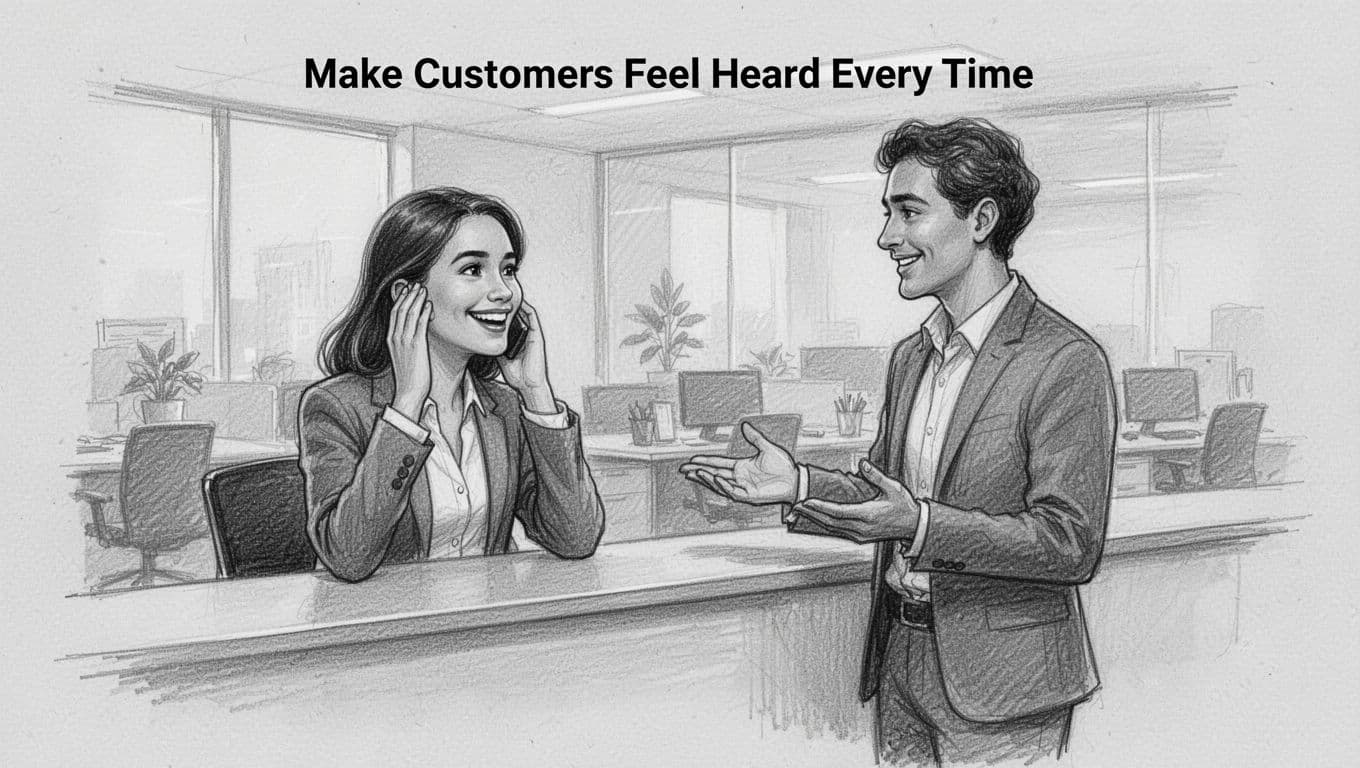
Make Customers Feel Heard Every Time
Customers spot fakes quick. You make them feel valued. Smile and listen close. Use simple phrases like “Tell me more” or “How can I help?”
Active listening works wonders. Nod while they talk. Repeat back key points. “You said the order arrived late, right?” They relax. Trust builds.
74% of leaders seek communicators for admin roles. Empathy shines in tough spots, like upset clients. Stay positive. Solve issues step by step. First, apologize. Next, fix it. End with thanks.
Practice role-play at home. Pretend calls with a timer. Use phrases: “I understand your frustration.” Record yourself. Tweak smiles and tone.
See essential customer service skills for 2026 to boost your edge.
As a result, customers stay loyal. You earn repeats and tips. Teams celebrate your wins.
Keep Learning to Stay Ahead in Your Career
AI shifts jobs fast, so you keep skills fresh to land promotions. Lifelong learning tops employer lists because it builds loyalty and fills gaps. Companies now protect time for it, with 85% boosting budgets through 2030. You gain an edge when you commit. As a result, 94% of workers stick around longer with these chances. Start small, and watch your career grow.
Why Curiosity Fuels Long-Term Success
Curiosity drives you to ask questions and spot trends early. It sparks ideas others miss, like new AI tools in your field. Workers with it adapt quicker and earn more spots. For example, 96% say lifelong learning keeps them employable. Bosses reward it too; they offer training time and paths up.
Trends show companies prioritize this. They use microlearning, like quick videos during breaks, because workloads squeeze schedules. In addition, 54% upskill alone, but firms add perks like instructor-led sessions for better results. Skills-first tracking means promotions follow real growth, not just years served.
You benefit directly. Curious beginners test AI basics and share wins, so teams value them. Check Robert F. Smith’s take on curiosity for career growth. It links to innovation and retention.

Commit daily, and companies notice. They fight quits with these habits, so you stay ahead.
Simple Ways to Learn on Your Own Schedule
Fit learning into breaks with apps, videos, and projects. No big blocks needed. These tools match hybrid lives and build workplace skills fast.
Start with 15 minutes daily. Set a timer for a video or app lesson. Duolingo or Khan Academy offer bite-sized bites on AI or comms. Then watch YouTube channels like freeCodeCamp for tech basics.
Next, tackle hands-on projects. Track habits in a sheet or build a simple bot. It sticks better than notes alone. Apps like Codecademy guide beginners through steps.
Finally, teach what you learn. Explain a tip to a friend or post online. It cements knowledge and shows bosses your grasp. See Upwork’s top sites for self-paced courses for more options.

These steps add up. You grow confident, and employers reward the effort.
Put It All Together: Action Steps for Your First Job
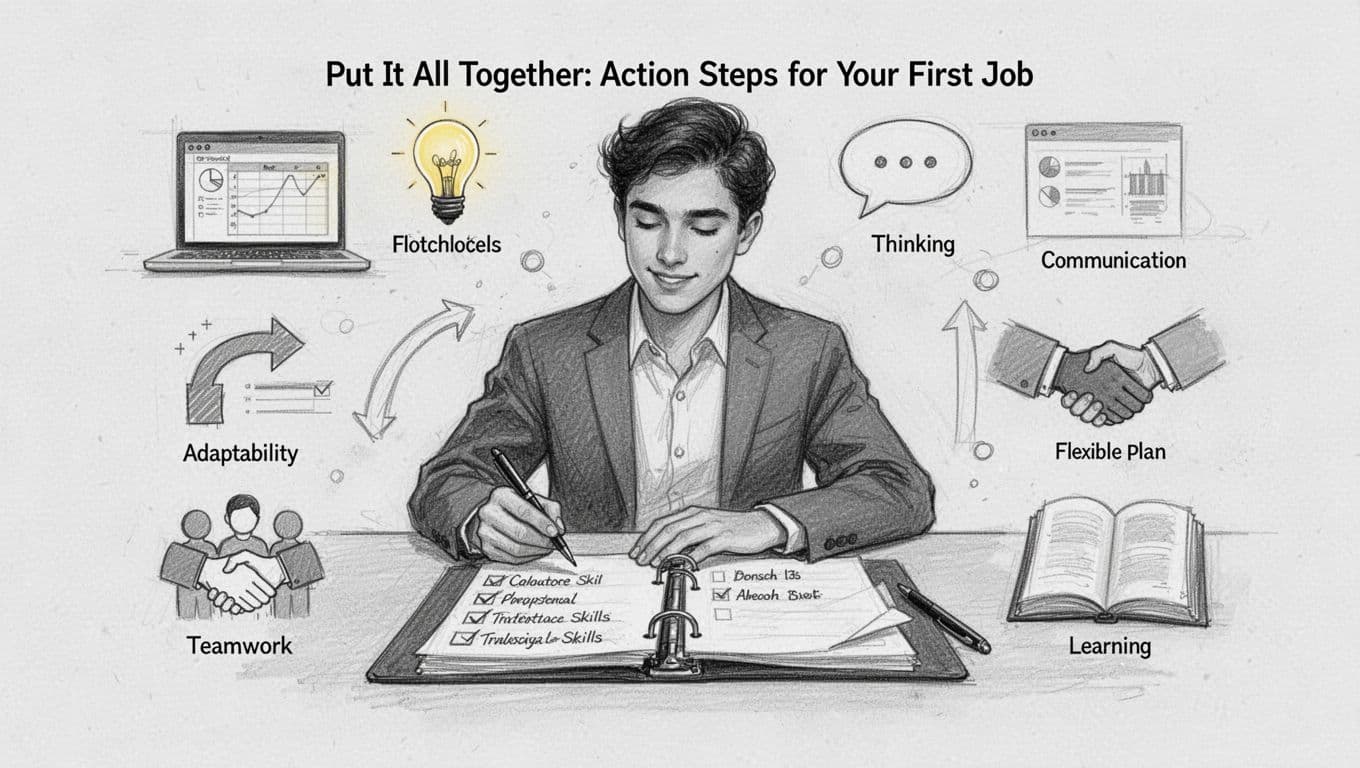
You now know the six skills: digital fluency, critical thinking, communication, adaptability, teamwork, and lifelong learning. So combine them into a simple plan. This turns practice into job wins. Follow these steps, and you’ll apply with confidence. Employers spot ready beginners fast.
Start with a 15-Minute Daily Routine
Dedicate time each day to mix skills. First, spend five minutes on tech: sort a spreadsheet with your expenses. Next, think critically: spot one pattern and note fixes. Then communicate: email a summary to yourself.
Practice adaptability by swapping tools, like AI for notes. Team up via quick chats with friends on ideas. Finally, learn something new, such as a prompt tip. This routine builds habits without overload. As a result, skills stick. Track progress in one sheet; it shows growth weekly.
In addition, use spreadsheets everywhere. They tie tech to thinking and data everywhere from budgets to job trackers.
Volunteer and Build Proof Projects
Hands-on work proves your edge. Offer help at local spots or online groups. Update sheets for a nonprofit. Lead a small team chat. Solve a snag with clear talk.
Focus soft skills after tech basics. For example, practice customer listens in volunteer calls. These gigs fill resume gaps. Meanwhile, create personal projects: a habit tracker with team notes. Share it on LinkedIn.
Check CVailor’s step-by-step job plan for new grads for resume tweaks. Projects make you stand out because they show real use.
Apply and Interview with Your Plan Ready
Tailor resumes with skill stories. List volunteer wins first. Apply to 10 entry spots weekly, like customer service or tech support.
Prep interviews by role-playing. Answer with examples: “I fixed a team mix-up by listening first.” Stay calm; adapt to questions. Follow up with thank-you notes.
Most importantly, review weekly. What worked? Adjust next. This plan lands interviews fast. You enter 2026 ready and ahead.
Conclusion
You now hold the six basic workplace skills that crush competition in the 2026 job market. Digital fluency, critical thinking, communication, adaptability, teamwork, and lifelong learning form your edge. Because they tackle AI shifts and hybrid teams head-on, you land jobs faster and earn promotions quicker.
Start small for big wins. Pick one skill each week. Practice tech tools Monday through Friday, then switch to clear chats next. As a result, habits stick without overwhelm. Your daily routine turns nerves into confidence.
Share your first win in the comments below. Which skill clicks for you? Subscribe for more tips to thrive in 2026 jobs. You got this; go stand out today.