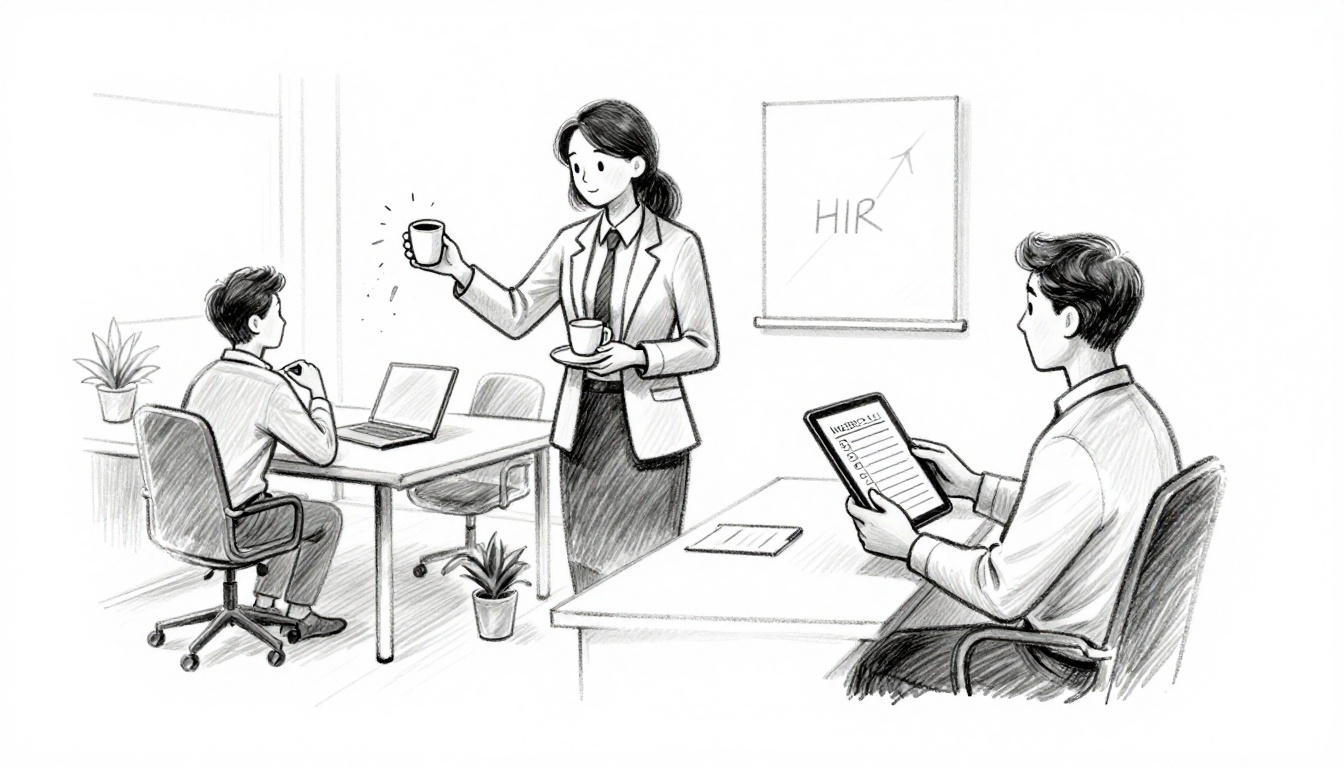
Picture this. An HR manager spills coffee on a visitor during a tour. She checks if they’re hurt first. Then she logs the spill and adds better cleaning checks. No one sues. The team learns fast. Everyone moves on stronger.
Mistakes happen to all of us. Yet in 2026, workplaces push for intelligent failures where errors spark quick learning. After 2025’s misconduct spikes, companies now focus on fast fixes and clear logs to cut risks. Leaders who own slip-ups build trust. Teams report issues freely. You can turn any goof into growth. This guide shows you how. Start by owning it fast.
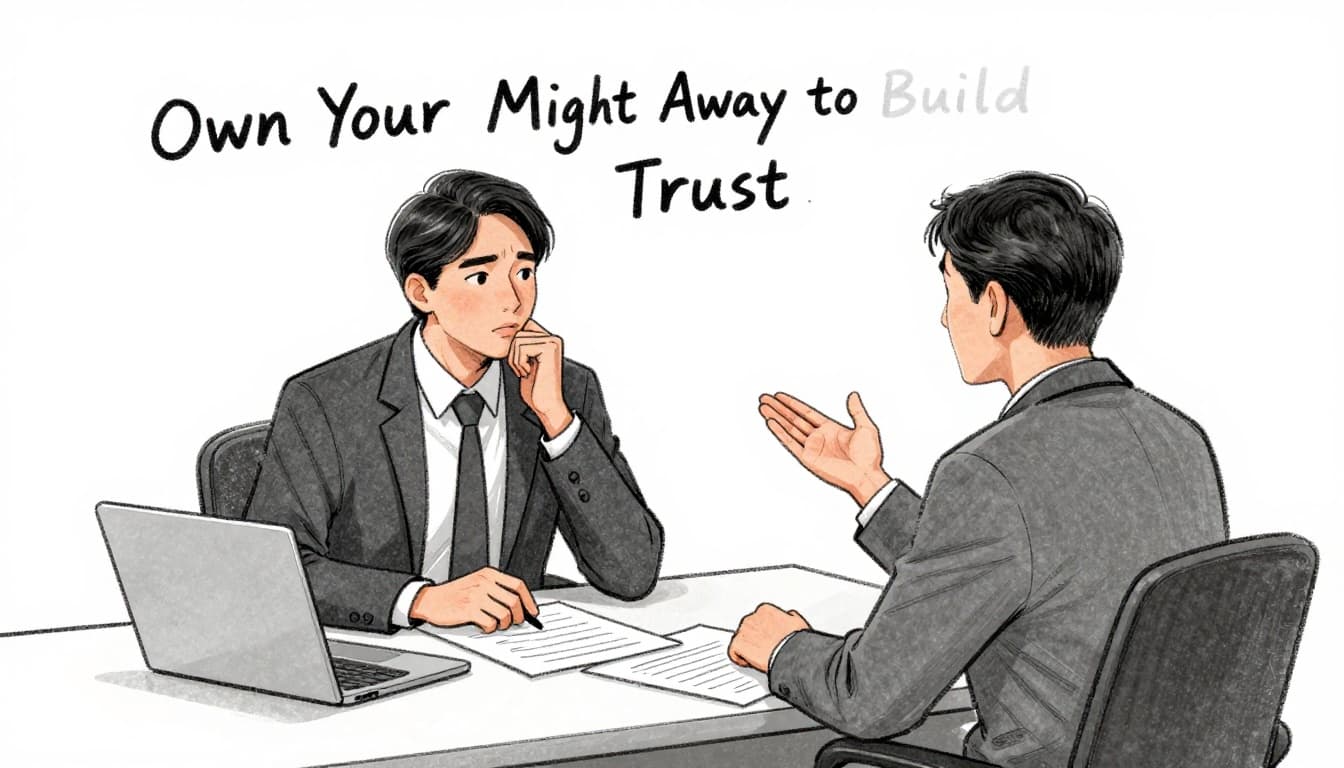
Own Your Mistake Right Away to Build Trust
Admit errors openly. Do it without pointing fingers. Stay calm with facts. Tell your boss what happened right away. Explain why. Outline your next steps. This approach shows maturity.
Teams thrive in no-blame spots. Leaders set the tone by owning their own flubs. Workers then share problems sooner. OSHA backs this with rules on free reporting. Check OSHA’s guidance on injury reporting without retaliation for details.
Emotional smarts help too. Listen close. Show you care. Shift to fixes. One team faced a project flop. They talked safe. No one hid facts. The fix came quick. Trust grew.
Quick admission stops small issues from spreading. It aligns with 2026 trends on misconduct prevention.
Stay Calm and Gather the Facts First
Pause when trouble hits. Take a breath. Assess without panic. Note what went wrong. Stick to facts. This keeps you cool.
Emotional intelligence shines here. It blocks defensive talk. You avoid weak excuses. Instead, you prep solid info. Your response stays clear.
Tell Your Boss or Team Without Excuses
Use simple words. Say, “I did X. It caused Y. I’ll fix it with Z.” No shifts to others. Experts call errors stepping stones. See Asana’s tips on owning work mistakes for more.
Bosses value straight talk. It builds respect. Teams fix faster together.
Fix the Problem Step by Step Before It Grows
Spot the root. Act quick. Use checklists or logs. Test the change. Document all steps. This cuts repeat risks.
Quarterly audits help spot patterns early. Safety pros push 48-hour responses to hazards. One firm prepped for OSHA checks with calm logs. They dodged fines.
Tools like peer reviews add strength. Changes stick better.

Dig to the Root Cause, Not Just the Surface
Ask why five times. Why did the error repeat? Simple questions uncover deep issues. NIOSH tools guide this for real jobs.
Surface fixes fail. Roots stop repeats. You save time long-term.
Take Action and Test Your Fix
Implement changes now. Add safety tech. Set peer checks. Test results weekly. Managers use clear rules upfront.
Verify it works. Adjust as needed. Problems shrink fast.
Communicate, Learn, and Share to Strengthen Your Team
Get feedback one-on-one. Ask peers for input. Share lessons in short meets. No shame. Build free reporting.
No-blame cultures grow from near-miss shares. Personal growth comes via feedback loops. Limit workloads to avoid burnout.
In 2026, unified standards span sites. Standard workflows fix multi-location slips.
Leaders run regular training. Annual audits scale safety.
Ask for Feedback and Team Input
Say, “What can I improve?” Listen well. This boosts morale. Teams bond tighter.
Constructive talks spark ideas. Everyone wins.
Spread the Lessons to Avoid Future Slip-Ups
Hold quick sessions on fixes. HR pros build repeatable systems. Reactions fade. Prevention lasts.
Share via workshops. Teams dodge old traps.
Own mistakes fast. Fix them smart. Communicate open. Learn as a group. Pros see errors as growth fuel. Quick actions mean no repeats and strong trust.
Next time you slip, grab these steps. You’ll shine. Build a supportive culture now. Less stress awaits in 2026. What’s your go-to fix? Share below.