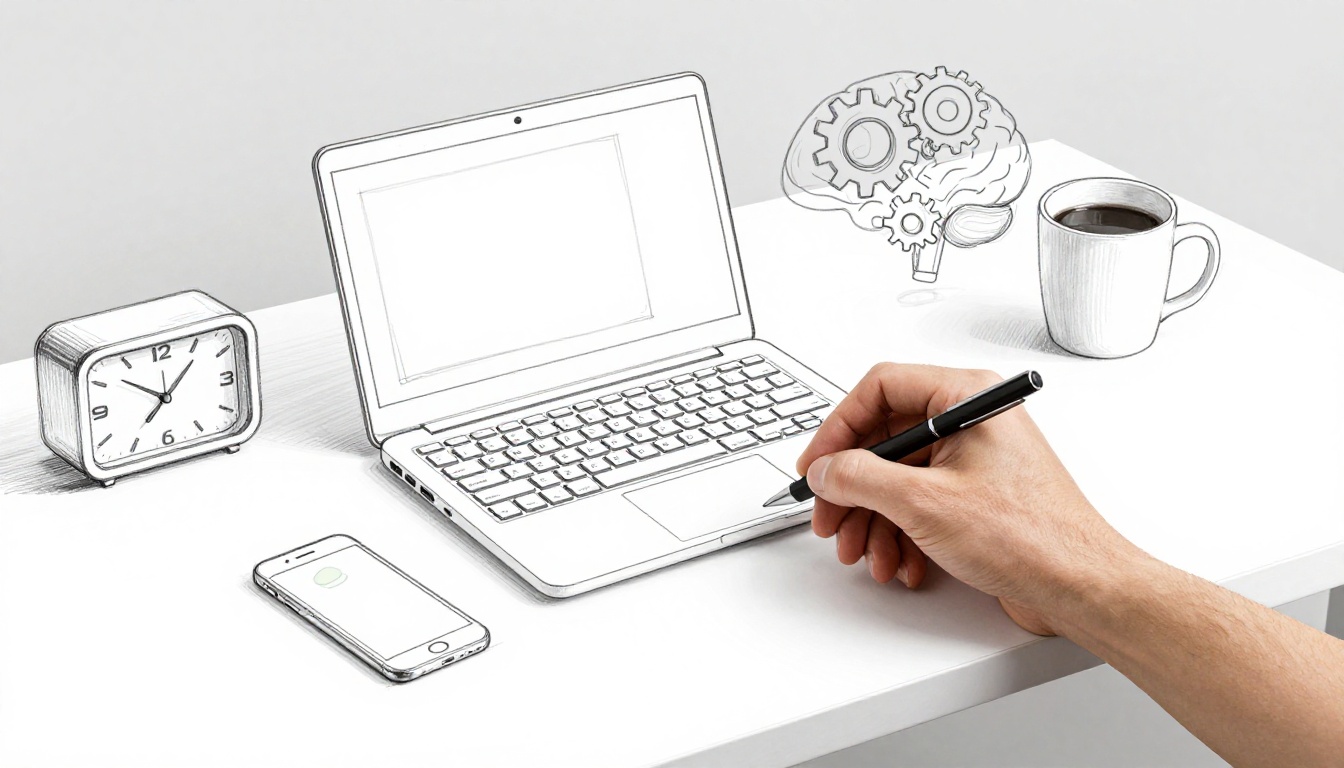
In 2026, 88% of workers procrastinate more than 60 minutes each day. That adds up to over two hours lost per shift. Phone notifications play a big role because they trigger instant dopamine hits in your brain’s limbic system. This overrides your planning center, the prefrontal cortex, so you chase quick rewards instead of tough tasks.
You know the feeling. A report sits undone while you check emails or scroll feeds. It hurts your output and career because rushed work leads to 40% more errors and higher burnout rates. I beat this last year by spotting my phone pings as the main culprit during deadline crunches. Now, let’s uncover the triggers, proven steps like the 10-minute rule, top apps, and ways to make changes stick.
Spot the Hidden Triggers Behind Your Work Procrastination
Procrastination feels like laziness, but recent studies show otherwise. Your brain avoids discomfort from stress or overload. For instance, 79% of workers lose focus within an hour due to interruptions. Awareness helps because you can then target fixes.
Common causes include fear, big tasks, low drive, and tech pulls. Spot yours to break the cycle without guilt. A quick self-check works well here.

Fear of Failure and the Perfectionism Trap
Fear stops you before you start. You delay that client email because it must sound perfect. Research ties this to avoidance behavior, where your brain dodges bad feelings.
Perfectionism worsens it. You rework drafts endlessly instead of sending them. One mindset shift helps: chase progress, not flawlessness. Start rough and refine later. Workers who do this finish tasks faster with less stress.
When Tasks Feel Too Big or Motivation Dips Low
Overwhelm hits when jobs seem endless. A full project report paralyzes you because where do you begin? Motivation drops if tasks don’t match your goals, so you put them off.
Stats back this up. Office workers boost output by 40% after breaking reports into chunks. Align work with your bigger aims, like skill growth. That sparks intrinsic drive. Ask yourself if the task fits your path. If yes, motivation follows.
Notifications and Doomscrolling Stealing Your Focus
Phone alerts top the list in 2026 reports. They interrupt every four minutes on average. You check one ping, then fall into feeds.
Poor schedules make it worse. No clear blocks mean distractions win. Note your hotspots, like mid-morning slumps. For deeper factors from recent reviews, check this systematic study on workplace procrastination. Awareness sets up real change.
Proven Steps to Crush Procrastination and Boost Your Output
Now that you see the triggers, act with research-backed moves. These build momentum through small wins and smart sorts. Studies show they rewire habits for lasting focus.
Start simple. Pick one today for quick results. Examples from real workers prove they fit busy days.

Break Overwhelm by Starting with Tiny 2-Minute Actions
Big tasks scare you off, so split them small. A two-minute step gives a dopamine hit that fights avoidance.
Take a report. First, jot the outline. Next, gather one source. Draft a section after that. Momentum builds because your brain loves quick wins. Parents use this for evening work emails between kid duties. You gain speed without burnout.
Kickstart with the 10-Minute Rule and Build from There
Dreaded chores? Set a timer for 10 minutes only. Most folks keep going once started. This builds self-trust, per behavior studies.
Use phone alarms for cues. A writer finished books this way, starting chapters in short bursts. Learn more about its power from this detailed guide on the 10-minute rule. It fits any job because low commitment lowers barriers.
Sort Tasks Fast Using the Eisenhower Box Method
Urgent stuff crowds out what matters. Draw a four-box grid: urgent and important, important but not urgent, urgent but not, neither.
Do crises now. Schedule growth tasks. Delegate others’ fires. Delete junk. This cuts waste, as research on the “mere-urgency effect” shows. Pair with two-minute rules for fast items. Busy managers reclaim hours this way. See Asana’s clear Eisenhower Matrix explainer for templates.
Tame Distractions by Scheduling Them Instead of Banning
Bans fail because cravings build. Block focus time first, then plan breaks for checks.
Work 50 minutes, scroll five. This reclaims control. Remote workers cut delays by 12% with set slots. You stay fresh without guilt.
Top 2026 Apps and Tools to Keep Procrastination at Bay
Apps make strategies stick with reminders and blocks. 2026 picks include AI predictions for your triggers. Users report 40% output jumps.
Choose based on needs: planning, focus, or sorts. Trials let you test free.

Passion Planner: Align Your Days with What Matters Most
This planner breaks goals into daily steps. Track habits and tie tasks to values, fighting low motivation.
Best for roles needing routine, like sales. Print or app versions fit desks. It curbs delays by keeping purpose front.
Calm App: Mindfulness and Alarms for Laser Focus
Calm offers focus music, timeboxing alarms, and stories on discipline. New 2026 AI spots habit slips.
Use playlists during blocks. It cuts notification pulls with guided breaths. Workers praise overwhelm relief in reviews.
Todoist and Eisenhower Tools: Prioritize Without the Overthink
Todoist builds matrices and two-minute tags. Syncs teams and sets reminders.
Great for workflows. Add quick sorts daily. For top anti-procrastination picks, see this 2026 apps roundup. Start with one integration today.
Spot triggers like fear or pings. Apply steps such as the 10-minute rule and task chunks. Grab Calm or Todoist for support.
Small changes yield big wins. 2026 tools and science make it simple. Pick one tip now. Try it this week and track gains.
Imagine less stress, steady output, career boosts. Discipline starts small, compounds huge. Share your win below.