
Did you know employers plan a 1.6% increase in hiring for the Class of 2026 new grads? The job market feels tight right now, with unemployment for young adults at 5.3%. Yet demand surges in tech, data analysis, and trades because of big skills gaps. Over 60% of employers want to hire computer science grads permanently, and they pay starting salaries up 6.9% to $81,535.
This setup creates real openings for your first job in 2026. Managers struggle to find talent that fits, so if you upskill in hot areas and show flexibility, you stand out. No experience? No problem. Many firms value skills over GPA, and they seek grads who use AI tools wisely. Entry-level spots in finance, engineering, and construction also look strong, with net outlooks up to 32%.
That’s why this guide walks you from zero experience to a job offer. You’ll follow simple steps at an 8th-grade reading level. First, assess your strengths and interests. Next, build a standout resume and online presence. Then, network with purpose and apply to the right entry-level jobs. After that, prep for interviews and handle offers like a pro.
Human skills like creativity and adaptability still win over AI every time. So get excited. You can land that role. Let’s dive into step one and get you started today.
Build Skills That Make Employers Notice You Fast
Employers face huge skills gaps right now. Tech support roles lack workers by 40% in AI and machine learning alone. Data analysis demand jumps 88% yearly, while cloud computing shows 40-50% vacancies. Trades overlap with tech needs too. As a result, nine in 10 workers upskill to stay ahead. You can do the same. Entry-level jobs favor quick learners who show adaptability for hybrid work, which 55% of bosses prefer. Start by spotting strengths from daily life, then add certs. These steps make you noticeable fast.
Spot Your Hidden Strengths from Everyday Life
Everyday activities hide skills bosses want. School projects prove teamwork. Babysitting shows reliability. These transfer to 2026 jobs, where creativity trumps pure AI in roles like data analysis or tech support. Employers need problem-solvers who adapt.
Think back. Fixed a friend’s computer? That’s troubleshooting for cybersecurity gaps. Organized a volunteer event? You handled logistics, key for trades or cloud setups. Planned strategies in video games? It builds analytical thinking for data pipelines. Cooked creative meals on a budget? Pure innovation for AI-era tasks.
Grab a notebook. Answer these prompts to list yours:
- What school group did you lead? How many people joined?
- Who counted on you for rides or pet care? For how long?
- Which hobby fixed real problems, like tech glitches?
- In sports or clubs, what role did you play under pressure?
- How did you teach others a skill, like apps or recipes?
Jot five examples. Later, weave them into your resume as proof. One grad turned gaming skills into a data role. You can too. These build confidence quick.

Grab Free Certifications in Hot Areas
Certs fill gaps fast. They take 10-20 hours each, and bosses love them because they train entry-level hires. No experience needed. Aim for one or two in four to six weeks on platforms like Coursera.
Top picks match shortages:
- Google Data Analytics Certificate: Covers SQL, Python, and AI tools. Finish in 20 hours. Grads land analysis jobs quick.
- IBM AI Foundations badge: Basics of machine learning. Just 15 hours. Perfect for the 40% AI talent void.
Why add these? Firms cut junior hires by 66%, but certs prove readiness. One beginner got a tech support gig after Google’s course. She added it to LinkedIn, then networked.
Follow these steps:
- Pick one based on interests, like data if you love numbers.
- Block two hours daily. Track progress.
- Earn the badge. Share on social proof.
These signal hybrid-ready skills. Employers notice. Next, polish that resume.
Craft a Resume and Profiles That Beat AI Scanners
AI scanners, called ATS systems, filter most resumes before humans see them. About 75% of applications get rejected right away because they miss job ad keywords. So treat your resume like a direct reply to the job post. Copy exact phrases from it, such as “data entry” or “customer support.” Tailor every time you apply. This way, you beat the bots and reach real recruiters. Keep it to one page. Put skills first. Use action verbs like “led” or “created.” Add numbers, such as “helped 10 customers.” Now let’s build yours step by step.
Write a One-Page Resume Employers Love
Start simple. Use a clean layout with Arial or Calibri font at 11 points. Save as DOCX or PDF. No tables, images, or fancy graphics. ATS can’t read them.
Follow this order:
- Header: Put your name big and bold at the top. Add phone, email, city, and LinkedIn URL below. Skip footers; ATS ignores them.
- Summary: Write 3-4 lines packed with keywords from the job post. For example, if it says “Google Analytics experience,” say “Aspiring data analyst with Google Analytics skills from school projects.” Make it your quick pitch.
- Skills list upfront: Bullet 8-12 matches like “SQL queries,” “Excel data sorting,” or “team coordination.” No repeats from later sections. List them plain, no stars or bars.
- Experience: Pull from school, volunteer work, or gigs. Start bullets with verbs: “Led group project for 5 students, analyzed sales data.” Quantify wins: “Reduced errors by 20% in inventory task.” Copy job phrases here too.
- Education last: List degree, school, year. Add relevant coursework or GPA if strong.
Test it. Paste into Notepad to check order. Or use a free ATS resume checker like Rezi for a score. Fix issues fast. One student landed interviews after matching keywords exactly. You will too.

Set Up LinkedIn and Indeed Like a Pro
LinkedIn and Indeed top the list for entry-level jobs in 2026. They drive most interviews. Fill profiles fully for better matches.
On LinkedIn, add a pro photo first, like a smiling headshot in business casual. Craft your headline: “Aspiring Data Assistant | Google Data Analytics Cert | Eager Learner.” Write a summary as your story: “Recent grad skilled in SQL from Google cert. Helped team with data projects in school. Seeking entry-level role in analysis.” List skills, chase endorsements from classmates. Add projects or certs. Follow 20 companies in your field. Post weekly about your learning.
Daily habit: Message 5 pros for advice. Say, “Hi, I admire your data role. Any tips for beginners?” Check company career pages directly too.
For Indeed, upload your resume. Build a profile with the same skills. Set job alerts for “entry level.” Apply with one click.
Start freelance on Upwork for proof. Beginners grab gigs like data entry. See easy Upwork jobs for starters. These build your experience section quick.
Profiles done right get you noticed. Recruiters search there first. Next, network smart.
Hunt Jobs and Network to Uncover Hidden Openings
You beat the crowd by hunting smart and networking early. Most jobs never hit big boards. Referrals fill 50% of openings, so connections beat blind apps. Small businesses expand by 55%, posting tech helpers, customer service, and admin roles. Set a goal: apply to 10 matches daily. Track them in a Google Sheet with company, date, and follow-up notes. Check LinkedIn, Indeed, and Upwork for gigs. Focus on hybrid or remote spots. Connections turn chats into offers. Get ready to find those hidden gems.
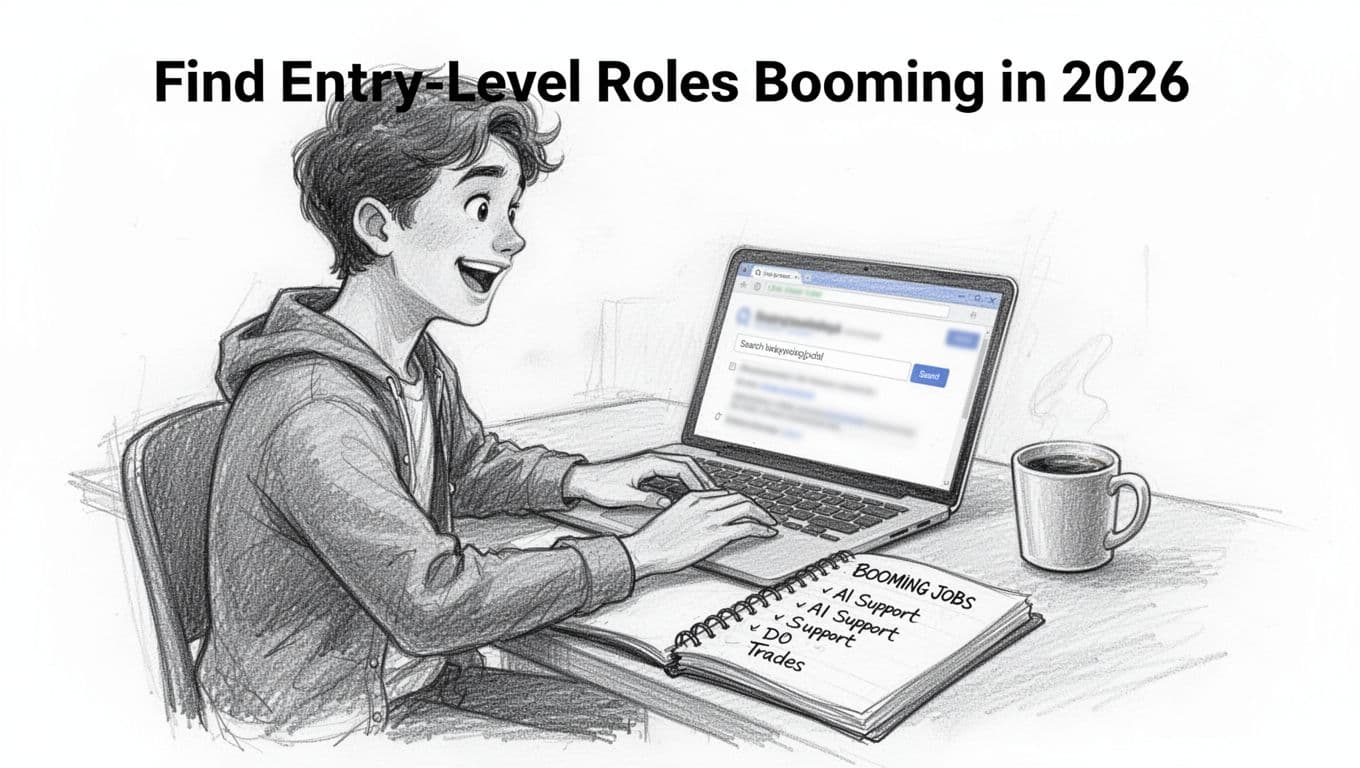
Find Entry-Level Roles Booming in 2026
Skills gaps open doors wide. Retirements and tech shifts create spots in AI support, data entry, trades starters, and gigs. Customer service reps grow from e-commerce. Admin assistants fill small business needs. Trades like electricians face 81,000 yearly openings.
Data backs this up. BLS projects 118,700 delivery driver jobs by 2034. Home health aides add 730,000 soon. AI support roles start at $60,000 with basic training. See the 20 best entry-level careers for 2026 for full lists.
Search with keywords like “entry-level AI support,” “data entry remote,” “trades apprentice 2026,” or “customer service no experience.” Add “hybrid” or “new grad.” Filter Indeed for 0-1 year experience.
Here’s a quick view of top picks:
| Job | Growth Reason | Median Pay | Entry Needs |
|---|---|---|---|
| Customer Service | E-commerce boom | $40K+ | Phone skills |
| Admin Assistant | Small biz growth | $45K | Computer basics |
| Data Entry/AI Support | Tech skills gap | $50K+ | Typing, basic AI |
| Trades (Electrician) | Retirements | $62K | Short training |
| Delivery Driver | Online shopping | $42K | Driver license |
Target these. They need little experience. One search lands interviews fast.
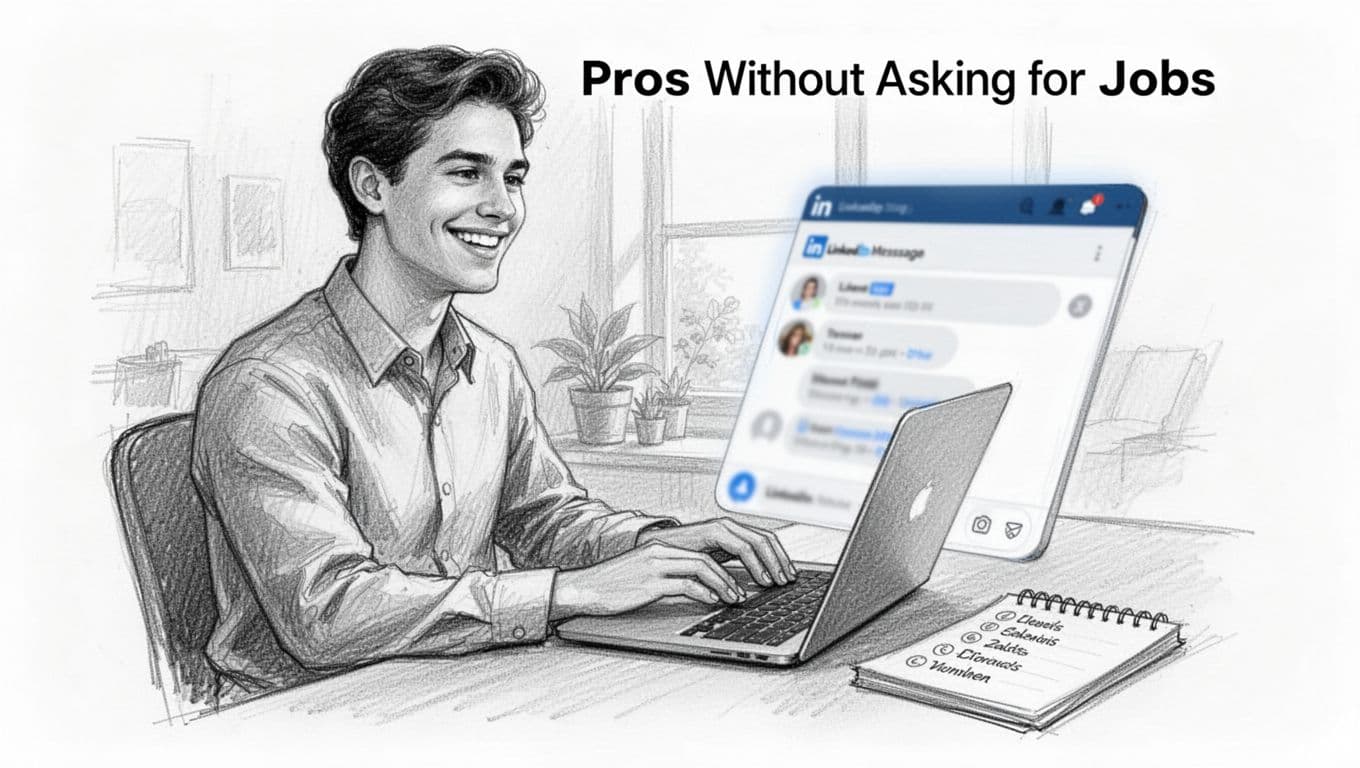
Connect with Pros Without Asking for Jobs
Build ties first. Pros share leads when you add value. Aim for 5 contacts weekly on LinkedIn. Skip job begs. Comment on posts, then message.
Try this script: “Hi, loved your post on data tools. Any tips for beginners?” Or “Saw your AI support role. How did you start?” Keep it short. Follow up in a week with thanks.
Join virtual events or alumni groups. Post your cert progress. Upwork gigs prove skills. Small chats lead to referrals.
For more, check cold outreach tips for grads. Track responses. One connection sparks your offer.
Nail Applications, Interviews, and Follow-Ups
You found the jobs. Now apply smart and shine in interviews. Most entry-level spots need 50-100 applications to land offers, so aim for 100+ tailored ones. Copy keywords from postings into your resume. Add projects or gigs from Upwork to show skills. Prep for virtual chats in a quiet spot with questions ready. Highlight hybrid interest and growth mindset. Ask about career paths. These steps turn apps into interviews.
Practice Answers That Show Your Potential
Behavioral questions test your fit. Common ones hit strengths, “Why us?”, and challenges. Use the STAR method to answer: Situation, Task, Action, Result. It keeps you clear and proves potential without experience.
For example, on strengths: “Tell me about a time you overcame a challenge.” Say: Situation: Group project lagged in school. Task: Finish analysis on time. Action: Split tasks and checked daily. Result: We earned an A, and I learned team coordination. Pull from clubs, babysitting, or games.
Practice “Tell me about yourself” too. Focus on skills and growth: “I’m a quick learner with Google Data Analytics cert. School projects built my SQL skills. I seek hybrid roles to grow in data support.”
Rehearse in front of a mirror. Record yourself. For virtual interviews, test lighting and quiet space. See STAR method examples for beginners for more practice.

Flexibility sells. Say you thrive in hybrid setups. Ask, “What growth paths exist here?” Employers hire for potential in 2026.
Send Smart Follow-Ups That Keep You Top of Mind
Thank-you emails boost recall. Send 5-7 days post-interview, or one week max. Reiterate fit and nudge politely.
Use this template:
Subject: Thank You for the [Role] Interview
Hi [Name],
Thanks for chatting about the data support role. I enjoyed hearing about your team’s AI projects. My Google cert aligns with those needs, as we discussed.
I’m excited about hybrid options and growth here. Please let me know next steps.
Best,
[Your Name]
Personalize it. Reference a detail. Short keeps it pro. For full samples, check Indeed’s follow-up email examples.

These notes separate you. Track in your sheet. Gigs keep your resume fresh meanwhile. Stay persistent; offers follow.
Conclusion
You now hold the steps to land your first job in 2026. Spot strengths from daily life, grab certs, craft a tight resume, set up profiles, hunt roles, network smart, and ace interviews with follow-ups. These moves fill skills gaps and beat AI filters.
Upskilling wins big because employers chase practical talents like AI basics and data tools. Gigs on Upwork bridge no-experience hurdles fast. So picture this: a 1.6% hiring bump opens doors in tech, data, and trades for quick learners like you.
Pick one step today, like updating your LinkedIn profile with that Google cert. What holds you back from your first offer?
Share your top takeaway in the comments below. Then go land that job. You’ve got unique human skills that shine.